Category: Education

  • International Curriculum Schools in Ahmedabad Worth Exploring

    International Curriculum Schools in Ahmedabad Worth Exploring

    Education is evolving rapidly, and parents today are looking for schools that go beyond conventional learning to prepare their children for a global future. Ahmedabad, one of India’s most progressive cities, has become home to several top international schools that offer world-class education with globally recognized curricula. These schools focus on nurturing critical thinking, creativity, and cultural understanding—skills essential for the 21st century learner.

    The Appeal of International Curriculum

    An international curriculum is designed to provide students with a broader and more flexible learning experience. It encourages inquiry-based education, where students learn by exploring ideas, experimenting, and reflecting. Many international schools in Ahmedabad follow globally reputed curricula such as the International Baccalaureate (IB) or Cambridge Assessment International Education (CAIE), alongside India’s CBSE curriculum.

    These programs emphasize conceptual learning and real-world application, preparing students for global competitiveness. Parents seeking CBSE school admissions in Ahmedabad often choose institutions that integrate global methodologies with national academic standards—ensuring both academic excellence and adaptability.

    Holistic Learning Environment

    The top international schools in Ahmedabad aim to develop well-rounded individuals through a balance of academics, sports, arts, and life skills. The focus is on fostering intellectual curiosity while nurturing emotional intelligence and creativity. Students are encouraged to think independently, collaborate effectively, and engage with their community.

    Teachers play the role of facilitators rather than instructors, guiding students to discover solutions through discussion and teamwork. This personalized approach helps each child identify and build on their strengths, making learning enjoyable and purposeful.

    Focus on Early Years Education

    Strong foundations in early education are essential for lifelong success. The leading preschools in Ahmedabad adopt play-based and experiential learning methods that stimulate curiosity and imagination in young minds. Interactive classrooms, storytelling, sensory play, and hands-on activities ensure that children develop essential skills in communication, problem-solving, and social interaction.

    Parents in Ahmedabad increasingly prefer preschools that align with international learning standards because they promote confidence, creativity, and curiosity from the earliest stages.

    Modern Infrastructure and Technology Integration

    A major hallmark of international curriculum schools is their modern infrastructure and use of technology. Classrooms are equipped with smart boards, digital tools, and interactive learning platforms that make lessons engaging and immersive. Laboratories, libraries, and innovation hubs provide students with spaces to experiment, explore, and innovate.

    By incorporating technology into education, international schools in Ahmedabad create dynamic environments that prepare students for a digital future where adaptability and tech literacy are key.

    Multicultural Exposure and Global Perspective

    The curriculum in international schools emphasizes global awareness and cultural appreciation. Students learn about diverse societies, global challenges, and sustainability—developing empathy and respect for other cultures. Many institutions organize international exchange programs, Model United Nations (MUN) conferences, and collaborative projects with schools abroad.

    Such exposure ensures that students are not only academically strong but also emotionally mature and socially responsible citizens ready for global opportunities.

    Academic Excellence and Skill Development

    International curriculum schools prioritize both academic depth and skill enhancement. Students are encouraged to apply theoretical knowledge through projects, experiments, and presentations. The assessment methods focus on conceptual understanding, creativity, and analytical thinking rather than rote memorization.

    With dedicated programs in leadership, communication, and innovation, these schools equip students with the skills needed to excel in higher education and future careers—both in India and abroad.

    Parental Involvement and Community Engagement

    Strong collaboration between parents and educators enhances student growth. Top international schools in Ahmedabad maintain transparent communication channels through regular parent-teacher meetings, progress updates, and interactive sessions. Additionally, community initiatives like clean-up drives, cultural festivals, and charity programs encourage students to contribute positively to society.

    This shared partnership ensures that education extends beyond the classroom and becomes a community-driven experience.

    Value-Based Education

    Despite adopting a global curriculum, these schools maintain strong moral and cultural roots. Students are taught values like respect, honesty, empathy, and responsibility through real-life examples and activities. The combination of global outlook and Indian ethos makes these schools a perfect choice for parents who want their children to grow with both modern knowledge and traditional values.

    Preparing Students for Tomorrow

    International curriculum schools in Ahmedabad are transforming the city’s educational landscape. With their emphasis on holistic development, global standards, and personalized learning, they ensure that students are equipped to face the future with confidence.

    Whether parents are exploring CBSE school admissions in Ahmedabad or looking for the top international schools in Ahmedabad, these institutions provide a perfect blend of academic rigor, innovation, and character-building. The early learning programs in reputed preschools in Ahmedabad also lay a strong foundation for future success.

    Conclusion

    Ahmedabad’s growing reputation as an educational hub reflects its commitment to nurturing global citizens. International curriculum schools here offer a dynamic and inclusive learning environment that empowers students to think critically, act ethically, and engage meaningfully with the world around them.

    For parents seeking a balanced and future-ready education for their children, Global Indian International School (GIIS) Ahmedabadstands out as one of the most trusted names. With its world-class curriculum, modern infrastructure, and holistic approach, GIIS continues to shape the next generation of confident, capable, and compassionate learners.

  • ETL/ELT Pipeline Optimisation: Performance Tuning and Scaling of Data Transformation Processes

    ETL/ELT Pipeline Optimisation: Performance Tuning and Scaling of Data Transformation Processes

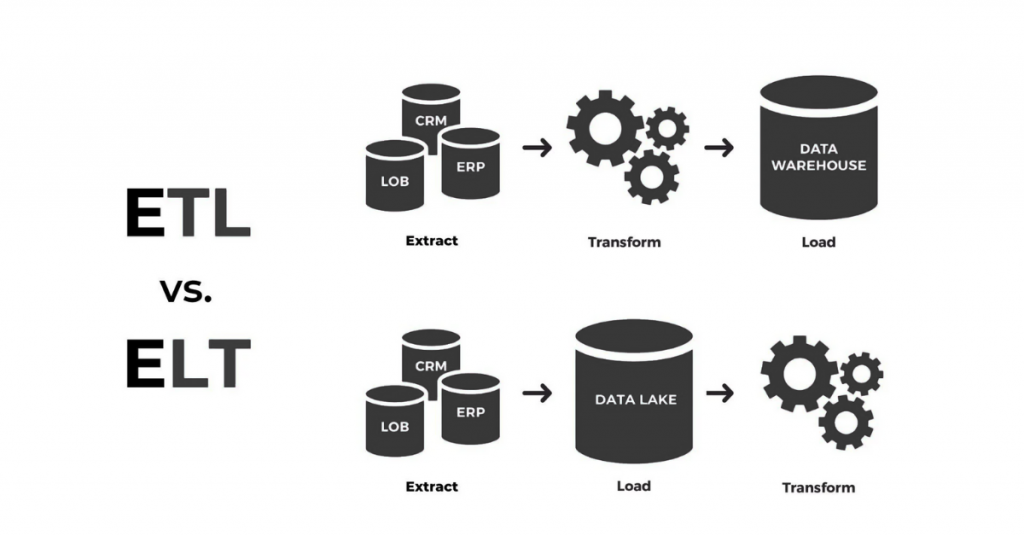
    In the modern data-driven world, information moves like water through pipelines—flowing from source systems to analytical platforms where it’s turned into insights. But as data volumes surge and systems become increasingly complex, those pipelines can experience “clogs” and inefficiencies. Optimising ETL (Extract, Transform, Load) and ELT (Extract, Load, Transform) processes is much like maintaining a high-pressure irrigation system: the goal is to ensure continuous, clean, and timely flow.

    When done right, optimisation ensures faster data movement, lower costs, and better decision-making for organisations that depend on analytics.

    Understanding the Flow of Data

    Every ETL or ELT pipeline acts as the circulatory system of a company’s data architecture. The extraction stage pulls data from diverse sources, the transformation stage refines it for analysis, and the loading stage stores it in a data warehouse or lake.

    However, performance bottlenecks often appear when datasets are massive or transformations are overly complex. Analysts and engineers must trace these “blockages” and address them through efficient code design, parallelism, and optimal resource utilisation.

    Professionals trained through a business analyst course in Pune often start by learning how to visualise this flow—understanding not just the data movement but also the business impact of each delay or inefficiency in the process.

    Identifying Bottlenecks in the Pipeline

    A critical first step in optimisation is diagnosing where inefficiencies occur. Bottlenecks can appear in several forms: slow network transfers, unindexed database joins, or poorly designed transformation logic.

    Think of it as identifying weak links in a chain—if one segment breaks, the entire operation suffers. Advanced monitoring tools like Apache Airflow, Talend, or AWS Glue offer dashboards that highlight slow tasks and failure points.

    The key lies in creating a feedback loop. Regular performance audits, coupled with automated alerts, ensure issues are detected before they affect reporting timelines or downstream systems.

    Techniques for Performance Tuning

    Performance tuning in ETL/ELT pipelines is both an art and a science. It involves fine-tuning configurations, rewriting inefficient queries, and optimising resource allocation.

    Batch size adjustments, parallel processing, and in-memory computation can drastically improve speed. Similarly, minimising unnecessary transformations and filtering data early in the pipeline prevents wastage of compute power.

    Caching frequently used datasets, using columnar storage formats like Parquet, and leveraging distributed computing frameworks (e.g., Apache Spark) make pipelines more scalable and resilient.

    Courses like the business analyst course in Pune often teach learners how to interpret these technical optimisations from a business perspective—understanding how faster, cleaner data directly improves decision-making efficiency.

    Scaling for Big Data Environments

    When an organisation grows, so does its data volume. Scaling ETL or ELT systems becomes a strategic priority to maintain efficiency without exploding costs.

    Cloud-based solutions have revolutionised this area. Tools like Google Dataflow, Azure Data Factory, and Snowflake offer elastic scalability—expanding capacity automatically as workloads increase. But scaling isn’t only about infrastructure; it’s also about intelligent architecture.

    Partitioning data, distributing workloads across clusters, and applying asynchronous processing enable pipelines to handle millions of records in near real-time. Scalability ensures continuity even during peak demand, keeping analytics dashboards up to date.

    Balancing Cost, Speed, and Reliability

    Every data team faces a fundamental trade-off—faster processing usually means higher costs. True optimisation strikes the right balance between speed, reliability, and budget.

    Cost-optimisation strategies include using serverless architectures that scale automatically, scheduling non-critical jobs during off-peak hours, and optimising query execution plans.

    Data reliability must never be compromised. Proper validation checks, error logging, and data lineage tracking ensure accuracy while maintaining velocity.

    When these principles come together, data pipelines not only become efficient but also trustworthy—empowering business leaders to make decisions with confidence.

    Conclusion

    Optimising ETL and ELT pipelines is about more than just technical tuning—it’s about designing systems that adapt, scale, and deliver value consistently. Like a finely tuned orchestra, every component—from extraction scripts to cloud clusters—must play in harmony to achieve peak performance.

    As businesses evolve and data continues to expand, professionals who understand how to streamline these systems will become indispensable. Investing in continuous learning and adopting industry best practices in data transformation will keep organisations ahead of the curve—ensuring their insights flow smoothly, reliably, and at the speed of decision-making.

  • Exploring the Global Landscape of Data Science: Regional Opportunities

    Exploring the Global Landscape of Data Science: Regional Opportunities

    Imagine the world as a vast library. Each region contributes its own unique set of books—some rich in historical knowledge, others brimming with futuristic ideas. Data science is the key that helps us decode, cross-reference, and apply this global collection of insights.

    But unlike a library where every book follows the same catalogue system, data science opportunities vary dramatically across regions. From North America’s innovation hubs to Asia’s talent-driven ecosystems, the discipline adapts to local needs, cultures, and industries.

    North America: The Innovation Powerhouse

    North America stands at the frontier of artificial intelligence and data-driven innovation. Silicon Valley companies drive global standards in AI research, cloud infrastructure, and big data applications. The region’s strength lies in venture capital funding and deep collaborations between academia and industry.

    Startups and tech giants alike leverage machine learning for personalisation, autonomous vehicles, and healthcare diagnostics. The ecosystem thrives because data science here is not just a skill—it’s treated as a competitive advantage.

    For aspiring professionals, international exposure often begins with structured training like a data scientist course, providing the foundations before advancing to specialised roles in global companies.

    Europe: The Ethical Guardian

    Europe positions itself as the guardian of responsible AI. While North America prioritises speed and disruption, Europe focuses on ethics, privacy, and regulation. The GDPR framework reshaped how companies worldwide manage personal data.

    Opportunities in Europe span sectors like fintech in London, automotive analytics in Germany, and innovative city initiatives in Scandinavia. Universities and research labs often lead projects ensuring transparency and fairness in AI models.

    Professionals who complete a data scientist course often find that pairing technical knowledge with an understanding of compliance and ethics makes them especially attractive to European employers.

    Asia: The Talent Engine

    Asia is a hotbed of opportunity, powered by a young, tech-savvy workforce. India, in particular, has become a global hub for analytics outsourcing, cloud development, and AI research. Multinational firms set up regional data science centres here to tap into a vast talent pool.

    China invests heavily in AI infrastructure, focusing on computer vision, natural language processing, and robotics. Meanwhile, Southeast Asia builds strength in e-commerce analytics and mobile-first solutions.

    Structured programmes like a Data Science Course in Delhi help bridge the gap between raw talent and industry expectations, offering practical projects, real datasets, and placement opportunities in growing sectors.

    Middle East and Africa: The Emerging Players

    Once considered peripheral in technology adoption, the Middle East and Africa are now rising as important data science markets. Governments in the Gulf invest in AI-driven healthcare, oil optimisation, and digital governance. Africa focuses on agriculture technology, mobile banking, and resource management through data innovation.

    Training hubs in these regions often collaborate with global institutions, encouraging learners to take up courses aligned with international standards. Enrolling in a Data Science Course in Delhi can give professionals in these regions a competitive advantage by equipping them with skills transferable across markets.

    Latin America: The Agile Innovators

    Latin America thrives on agility. With fewer resources compared to North America or Asia, the region excels at innovative, low-cost applications of data science. Brazil leads with fintech startups, while Mexico leverages analytics for manufacturing and logistics.

    The entrepreneurial spirit drives Latin America’s growth, where small teams build scalable, impactful solutions tailored to local markets. Opportunities are expanding rapidly in government digitisation, agriculture, and education technology.

    Conclusion

    The global landscape of data science is like a mosaic—each region contributes its own piece, shaped by culture, resources, and priorities. North America drives innovation, Europe champions ethics, Asia fuels growth with talent, the Middle East and Africa focus on solving pressing challenges, and Latin America exemplifies resilience.

    For professionals, the lesson is clear: success lies not just in mastering algorithms but also in adapting skills to diverse regional contexts. In this interconnected world, data science is more than numbers—it is a passport to global problem-solving.

    Business Name: ExcelR – Data Science, Data Analyst, Business Analyst Course Training in Delhi

    Address: M 130-131, Inside ABL Work Space,Second Floor, Connaught Cir, Connaught Place, New Delhi, Delhi 110001

    Phone: 09632156744

    Business Email: enquiry@excelr.com

  • How to Integrate Critical Thinking Into Everyday Lessons: Strategies for Teachers

    How to Integrate Critical Thinking Into Everyday Lessons: Strategies for Teachers

    Critical thinking helps learners explore ideas deeply. It trains the mind to question facts and form reasons. Every teacher can use this skill in class. It does not belong only to advanced courses. It can live in each daily activity. A teacher can guide students to think before acting. Each subject can open doors to fresh thought. Small changes can build strong habits. Each lesson can lead to problem solving. With clear methods, classrooms can grow curious minds.

    Building Questions in Mathematics

    Mathematics can easily support critical thinking. A teacher can ask open questions. A student can explain each solution step. A learner can reflect on a wrong answer. The process builds logical habits. Each equation becomes a chance to explore new routes. Instead of following one rule, students can try new paths. A teacher can ask why a method fits or fails. Through such talk, students learn to justify ideas. Each reflection forms deeper understanding and sharper reasoning.

    Exploring Science with Reason

    Science thrives on observation and clarity. A class can test small ideas. Each experiment can start with a prediction. Learners can look at results and wonder why. Each discussion can reveal patterns. The goal is not just to find data but meaning. A teacher can push for cause and effect links. Each fact can lead to new questions. By thinking beyond the formula, students discover logic. Science then becomes a living process rather than fixed memory work. Choosing the critical thinking activities for students would be essential here.

    Interpreting Literature with Thought

    In literature classes, stories can train the mind. Each text can hold many meanings. A student can read and pause for reflection. A teacher can ask why a character chose a path. Each answer adds a new layer of sense. A learner can connect fiction to real action. The class can discuss motives and results. Each viewpoint can shape a broader world view. Such exchanges can teach respect for other voices. Thought grows as empathy grows.

    Conclusion

    The heart of education is reflection. Critical thinking keeps that reflection alive. Each subject holds the power to teach this skill. Teachers can light curiosity through simple shifts in focus. Students can learn to question and explain. The classroom can become a field of discovery. With time and patience, teachers can shape thinkers. Thoughtful learners can build strong futures. Every lesson can plant a seed of reason. That seed can grow beyond the classroom walls.

  • Descriptive Impairments e-book Brings Landscapes and Landmarks to Life for All 

    The dearth of easily available materials might make it appear like there are fewer opportunities for those with visual impairments to explore the world. By providing new methods to experience locations without the necessity for sight, a descriptive impaired e-book alters that. It enables users to mentally see landscapes, landmarks, and cultural settings through thorough audio descriptions. By bridging the gap between knowledge and imagination, these books increase the inclusivity of geography and travel. They provide an interesting, pleasurable learning experience while enabling users to engage with the environment regardless of their level of vision by transforming knowledge into a vivid mental picture. 

    Find below five ways in which the descriptive impairments e-book is a great way for visually impaired people to enhance accessibility. 

    Unlocking visual worlds through words

    The capacity of a descriptive impairments e-book to create amazing images with just words is one of its best features. It describes cityscapes, landscapes, and cultural occasions using rich, precise language to create a mental experience. This e-book will be free 8/15-8/17, which will make it even simpler for more individuals to take advantage  of this resource. 

    Connecting places with emotions

    Frequently, these e-books go beyond simple factual explanations. They consist of the sounds, smells, and feelings associated with a place. A beach, for instance, can be characterized by the warmth of the sand, the sound of the waves, and the aroma of salt. The learning process is more memorable and intimate because of this emotional component.

    Enhancing cultural understanding

    These e-books describe cultural traits in addition to the physical environment. They may explain the music of a festival, the flavor of regional cuisine, or the vibe of traditional attire. This gives readers a deeper, more comprehensive understanding of life in a certain location and fosters a strong cultural bond. 

    Supporting independent learning

    These e-books are accessible without the need for help thanks to their audio-friendly versions. Visually impaired people can take their time exploring the world’s scenery, pausing when necessary. This autonomy promotes self-directed learning and boosts self-esteem.

    Expanding imagination and mental mapping

    The brain creates “mental maps” of nations, boundaries, and landmarks when verbal descriptions are detailed. Readers gradually develop a sense of spatial awareness that enables them to comprehend the connections between various locations. This ability not only increases one’s understanding of geography but also piques one’s interest in learning more. 

    To conclude 

    Characteristic impairments E-books are portals to the world, not only resources. They provide visually impaired learners with the opportunity to travel with their minds, broaden their knowledge, and see locations they would never be able to visit in person by transforming information into vibrant, multisensory excursions. 


  • Childcare Services That Help Children Grow and Thrive Every Day

    Childcare Services That Help Children Grow and Thrive Every Day

    Quality childcare forms the foundation of a child’s development during their most formative years. Parents today face increasing demands on their time whilst wanting the best possible care for their children. Professional childcare services bridge this gap by providing safe, nurturing environments where children can learn and grow.

    Why Quality Childcare Matters for Your Family

    Modern families need reliable childcare solutions that support both parents and children effectively. Quality childcare services offer structured environments where children develop social skills, emotional intelligence, and academic readiness. These programmes create consistency in daily routines whilst allowing parents to focus on their careers with peace of mind.

    Understanding Different Types of Childcare Options

    Day Care Centres for Primary School Children

    Day care centres specifically designed for primary school children provide essential after-school supervision and enrichment activities. These facilities cater to children aged 6 to 12 years old, offering homework support and recreational programmes. Primary school day care ensures children remain engaged in productive activities rather than returning to empty homes.

    Educational Childcare Programmes

    Educational childcare programmes combine care with structured learning opportunities that complement formal schooling. These programmes focus on developing critical thinking skills, creativity, and academic confidence through hands-on activities. Children benefit from small group settings where individual attention helps address specific learning needs and interests.

    Flexible Childcare Arrangements

    Flexible childcare arrangements accommodate varying family schedules and work commitments throughout the week. These services offer part-time, full-time, or occasional care options to suit different family requirements. Parents can choose programmes that align with their specific needs without compromising on quality or consistency.

    The Benefits of Professional Childcare Services

    Social Development and Peer Interaction

    Professional childcare environments provide children with regular opportunities to interact with peers from diverse backgrounds. These interactions help develop communication skills, empathy, and teamwork abilities essential for future success. Children learn to share, negotiate, and resolve conflicts in supervised settings with trained professionals.

    Academic Support and Homework Assistance

    Quality childcare services include dedicated time for homework completion and academic reinforcement activities. Trained staff members provide guidance and support to help children understand difficult concepts and complete assignments successfully. This academic support helps maintain consistent learning momentum between school and home environments.

    Safe and Supervised Environment

    Professional childcare facilities maintain strict safety protocols and supervision standards to protect children throughout their care. Trained staff members monitor activities closely whilst encouraging independence and exploration within safe boundaries. Parents can trust that their children are secure and well-cared for in these professional environments.

    What to Look for in Quality Childcare Services

    Qualified and Experienced Staff

    Quality childcare services employ staff members with relevant qualifications and extensive experience working with children. These professionals understand child development principles and can adapt their approaches to meet individual needs effectively. Experienced staff create positive relationships with children whilst maintaining appropriate boundaries and expectations.

    Comprehensive Activity Programmes

    Effective childcare programmes offer balanced combinations of educational activities, physical exercise, and creative expression opportunities. These programmes keep children engaged and stimulated whilst developing various skills and interests. Well-planned activities prevent boredom and behavioural issues whilst promoting healthy development.

    Clear Communication with Parents

    Professional childcare services maintain open communication channels with parents regarding their children’s progress and daily activities. Regular updates help parents stay informed about their children’s experiences and any concerns that may arise. This communication partnership ensures consistency between childcare settings and home environments.

    Making the Right Choice for Your Family

    Assessing Your Family’s Specific Needs

    Each family has unique requirements based on work schedules, children’s ages, and individual preferences for care approaches. Consider your specific circumstances when evaluating different childcare options to find the best fit. Take time to visit facilities and observe how staff interact with children during typical daily activities.

    Budget Considerations and Value

    Quality childcare represents a significant investment in your child’s development and your family’s wellbeing. Compare costs across different providers whilst considering the value offered through qualified staff, comprehensive programmes, and facilities. Remember that premium childcare services often provide exceptional value through superior outcomes and peace of mind.

    Professional childcare services provide essential support for modern families seeking quality care for their children. These services create nurturing environments where children can thrive academically, socially, and emotionally whilst parents pursue their careers confidently.

  • Essential Skills You Gain from Completing a High School Diploma in Singapore

    Essential Skills You Gain from Completing a High School Diploma in Singapore

    Earning an excessive faculty diploma in singapore equips college students with extra than tutorial credentials. It lays the groundwork for non-public growth, administrative center readiness, and lifelong success. Through a structured curriculum and extracurricular experiences, high school diploma in singapore with a versatile talent set that serves them in college, careers, and neighborhood life.

    Critical Thinking and Problem-Solving Skills

    Developing analytical skills permits graduates to address challenges methodically. Key elements include:

    • Evaluating Information: Learning to investigate facts from experiments, texts, and discussions.
    • Logical Reasoning: Building arguments supported by using proof in essays and debates.
    • Creative Solutions: Designing tasks or shows that tackle real-world issues.
    • Reflective Learning: Reviewing errors on exams or team duties to enhance future performance.

    These abilities assist college students dissect complicated troubles and endorse fine motion plans, whether or not in similarly research or entry-level jobs.

    Effective Communication Abilities

    Strong verbal exchange is necessary in any environment, and excessive faculty reinforces each written and oral skills:

    • Essay Writing: Crafting clear introductions, helping paragraphs, and conclusions.
    • Presentations: Using visible aids and public talking strategies to have interaction audiences.
    • Active Listening: Participating in peer comments classes and crew discussions.
    • Digital Literacy: Composing expert emails and participating by on-line platforms.

    Graduates can categorical thoughts confidently, navigate administrative center interactions, and construct expert networks with ease.

    Time Management and Organizational Skills

    Completing an excessive college diploma in singapore needs juggling more than one subjects, deadlines, and activities. Students study to:

    • Prioritize Tasks: Assigning significance to assignments, projects, and revision sessions.
    • Create Schedules: Using planners or digital calendars to map find out about instances and extracurriculars.
    • Set Milestones: Breaking large goals like time period papers into manageable steps.
    • Maintain Records: Keeping music of grades, feedback, and assets for review.

    Mastering these habits leads to environment friendly work strategies and decreased stress in each greater training and expert settings.

    Collaboration and Teamwork

    Working successfully with friends prepares college students for collaborative roles later in life.  The high school diploma in singapore foster:

    • Role Flexibility: Adapting to leader, researcher, or presenter positions in crew projects.
    • Conflict Resolution: Negotiating differing viewpoints to attain consensus.
    • Shared Accountability: Distributing duties pretty and assembly joint deadlines.
    • Peer Support: Offering optimistic remarks and celebrating team achievements.

    Embracing trade and non-stop studying ensures graduates continue to be aggressive in evolving industries. Completing an excessive faculty diploma in Singapore builds a sturdy basis of necessary thinking, clear communication, positive organization, teamwork, and adaptability. These abilities empower graduates to excel in greater education, enter the personnel confidently, and navigate life’s challenges with resilience. With these competencies, college students are well-prepared to trap possibilities and proceed developing lengthy after graduation.

    FAQ

    Q: How do high school projects develop problem-solving skills?

    A: Projects require research, speculation testing, and iterative refinement mirroring real-world workflows.

    Q: Can students improve time management during vacation breaks?

    A: Yes. Planning revision timetables or pursuing private pursuits helps preserve shape and keep away from burnout.

    Q: What role do teachers play in fostering collaboration?

    A: Educators assign team tasks, mediate conflicts, and information reflections on group performance.

    Q: How does adaptability benefit career prospects?

    A: Employers price candidates who rapidly examine new tools, alter to transferring priorities, and embody non-stop improvement.

  • Things to Consider Before Purchasing a MacBook Pro 14 M3 [A Student Edition]

    Things to Consider Before Purchasing a MacBook Pro 14 M3 [A Student Edition]

    The MacBook Pro 14 M3 has created quite a stir, in particular, among students who need a powerful and portable device that will be able to meet the challenges of rigorous coursework, creative projects, and everyday multitasking.

    Its M3 chip, thin design, and innovative display make it one of the most appealing laptops available, no doubt. Nevertheless, it is good to pause and evaluate some important aspects before taking the plunge and buying one, especially when you are a student with a limited budget.

    1. Figure Out What You Need First

    Before you get into specifications and offers, evaluate how you will really utilise the device. Do you study graphic design, film, architecture, or software development? In that case, the performance of the M3 chip and Liquid Retina XDR display can significantly improve your interaction with intensive applications such as Final Cut Pro, AutoCAD, or Xcode.

    Alternatively, you may consider the MacBook Pro 14 M3 – student pricing (macbook pro 14 m3 ราคานักศึกษา, this is the term in the Thai) an attractive offer but a somewhat excessive powerhouse for your needs, as it includes word processing, research, and video calls as the bulk of your work. You may find a MacBook Air that suits your needs at a cheaper price.

    2. Know What You Pay per

    Apple provides a useful means of making its high-end MacBook Pro 14 M3 – student pricing available through its education store, which helps to bring the cost of this premium device down. Not only do students get a discounted price, but they also sometimes get freebies such as free AirPods or gift cards during seasonal sales. The MacBook Pro is still a considerable investment, though, and you need to make sure to shop around between authorised resellers to get the best possible price.

    3. Think Portability versus Power

    This MacBook Pro is 14 inches, which is a good compromise between portability and power. It is so light that it can be carried between lectures, libraries, and study cafes, but so powerful that it can be used in doing intensive work. But when portability is of prime concern and you are not doing heavy applications, then a smaller or lighter model can suit your lifestyle better.

    4. Storage and RAM Don’t Forget

    The most common mistake that many students make is that they select the base model without thinking about their future needs. When taking your course, you may want to upgrade to at least 16GB of RAM and 512GB of storage in case you need to work with large files or creative software. This will add to the cost in the short run, but can help you avoid performance problems and storage constraints in the long run.

    5. Future-Proofing and Long-Term Thinking

    When you invest in a MacBook Pro, you are not just investing in your current academic year. The M3 chip is next-generation ready, and its energy efficiency and performance are remarkable. It has a long-lasting battery, can be updated regularly, and is compatible with macOS, so it may easily last you through university and even the first years of your career.

    Conclusion


    MacBook Pro 14 – student pricing (macbook pro 14 ราคานักศึกษา, this is term in Thai) is a good laptop computer that can be more affordable to students, although one should evaluate their needs, financial capabilities, and plans before deciding. Planned carefully, the  MacBook Pro may become a good academic assistant and a clever investment in your future.


  • Challenging Topics Made Simple in Primary 5 Tuition

    Challenging Topics Made Simple in Primary 5 Tuition

    Primary 5 is often seen as a make-or-break year in a student’s academic journey. With subjects becoming more complex and expectations rising, many students feel the pressure. Fortunately, primary 5 tuition can ease this burden by breaking down difficult topics into manageable, understandable parts. With the right support, students gain the skills and confidence needed to tackle even the toughest content.

    Why Primary 5 Is a Turning Point

    Heavier Academic Load and Higher Expectations

    The leap from Primary 4 to Primary 5 is significant. Students face longer exam papers, new question formats, and deeper subject content. Maths introduces more abstract problem-solving, Science expects stronger process skills, and English comprehension becomes more analytical. Without additional support, many students may struggle to keep pace, which is why tailored primary 5 tuition is increasingly relied upon.

    Preparing for PSLE Starts Now

    Although the PSLE happens in Primary 6, preparation unofficially begins in Primary 5. This year lays the groundwork for content mastery, time management, and exam confidence. Tuition programmes are designed to sharpen the core skills required for PSLE success, ensuring students are not overwhelmed in the final year.

    Breaking Down Complex Math Topics

    Mastering Fractions, Decimals, and Ratios

    Maths in Primary 5 introduces the deeper relationships between fractions, decimals, and ratios. These topics are often taught in a way that assumes students will naturally grasp the connection, but many require clearer explanations and guided practice. In tuition sessions, tutors use step-by-step strategies to help students understand these numerical relationships in a logical and visual way.

    Tackling Challenging Word Problems

    Multi-step word problems can be intimidating, especially when students are unsure how to begin. Tuition breaks down these questions by teaching students how to dissect the language, identify keywords, and apply the right concepts. Techniques like model drawing and logical sequencing are taught to make problem-solving more structured and less overwhelming.

    Understanding Geometry and Area Concepts

    Concepts like angles, area, and volume are introduced in more depth during this level. Many students struggle because these topics are abstract and require spatial reasoning. Through primary 5 tuition classes, students benefit from hands-on guidance using diagrams, visual aids, and repeated practice, making abstract concepts more tangible and easier to master.

    Making Science Concepts Easier to Digest

    Explaining Systems: Digestive, Circulatory, and Respiratory

    Science takes a major leap forward in Primary 5, with topics such as the human body systems becoming part of the curriculum. While textbooks may present these systems in lengthy blocks of text, tuition centres simplify them using labelled diagrams, everyday analogies, and storytelling techniques. This approach helps students retain information and apply it during open-ended questions.

    Strengthening Process Skills

    It’s not just content that matters; process skills like analysing data, observing changes, and drawing conclusions become critical. Tuition provides students with structured experiments, mock questions, and feedback to refine these skills. Tutors guide them on how to respond scientifically while sharpening their logical thinking.

    Answering Open-Ended Questions with Precision

    One of the most common challenges in Primary 5 Science is answering open-ended questions accurately and concisely. These questions require specific phrasing and correct scientific terms. Primary 5 tuition teaches students how to frame their responses properly, identify what the question is truly asking, and avoid common mistakes in phrasing and logic.

    Enhancing English Mastery

    Tackling Comprehension with Confidence

    Comprehension in Primary 5 tests a student’s ability to infer, summarise, and interpret meaning from more complex texts. Tuition sessions focus on breaking down passages, recognising question types, and developing strategies for answering effectively. This helps students feel less intimidated by lengthy passages and improves overall understanding.

    Composition Writing with Structure and Creativity

    Students are expected to write longer, more detailed compositions that are logically sequenced and creatively engaging. Tuition focuses on helping students plan their stories, develop richer plots, and use a wider range of vocabulary. Structured guidance ensures students avoid common pitfalls like abrupt endings or weak conclusions.

    Grammar and Synthesis Drills

    Primary 5 grammar topics become more technical, covering synthesis and transformation, connectors, and passive voice. These areas are often neglected in school due to time constraints. Through primary 5 tuition programmes, students receive targeted drills and clear explanations that improve both their written and spoken English.

    How Primary 5 Tuition Builds Confidence and Performance

    Personalised Pacing and Support

    Every child learns at their own pace. Tuition allows for customised lessons where tutors adjust the level of difficulty and focus areas depending on each student’s strengths and weaknesses. This level of attention often isn’t possible in large school classrooms.

    Consistent Practice and Feedback

    Success in Primary 5 doesn’t happen overnight. Regular tuition ensures that students consistently practise what they’ve learned and receive immediate feedback. This not only helps correct mistakes early on but also builds strong learning habits.

    Boosting Motivation Through Clarity

    When students finally understand a topic they once found difficult, it changes their attitude toward learning. Tuition removes the fog of confusion, making lessons more accessible and even enjoyable. With clearer understanding comes better performance, which in turn motivates students to keep improving.

    Conclusion

    Primary 5 can feel overwhelming, but it doesn’t have to be. With the help of effective primary 5 tuition, challenging topics become much simpler to grasp. Students receive the tools, techniques, and confidence they need to excel—not just in Primary 5, but well beyond.

  • Online 2 day medical certificate services- Are they legitimate?

    Online 2 day medical certificate services- Are they legitimate?

    Digital healthcare services have transformed how patients access medical documentation, including certificates for workplace and educational absences. The legitimacy of online medical certificate providers depends on their adherence to medical standards, regulatory compliance, and proper physician oversight. NextClinic and similar telehealth platforms operate under medical licensing requirements that ensure certificate validity when issued by qualified practitioners. These services maintain legitimacy by following established medical protocols while providing convenient access to necessary documentation.

    Physician evaluation protocols

    Legitimate online services implement comprehensive evaluation protocols that enable physicians to make informed decisions about issuing medical certificates. These assessment procedures must provide sufficient information for doctors to determine the appropriateness of workplace or educational absences. A genuine 2 day medical certificate requires proper medical evaluation despite the digital consultation format. Qualified physicians conduct thorough patient interviews, review medical histories, and assess symptoms before issuing medical documentation. The evaluation process includes verifying patient identity, symptom assessment, and determining appropriate absence duration. These protocols ensure that certificates reflect genuine medical needs rather than administrative convenience.

    Regulatory compliance standards

    Licensed telehealth providers must adhere to the same medical regulations that govern traditional healthcare practices. These compliance requirements ensure online services maintain equivalent standards to in-person medical consultations. Legitimate providers display their licensing information prominently and operate within their authorized jurisdictions to maintain regulatory compliance. Medical boards oversee online certificate services to ensure they meet professional, patient evaluation and documentation standards. The regulatory framework requires proper physician credentials, adequate patient assessment procedures, and appropriate medical record-keeping. Valid online services integrate these compliance measures seamlessly while delivering convenient access to medical certificates.

    Documentation verification features

    Authentic online medical certificates incorporate several security features that enable employers and institutions to verify their legitimacy. These verification elements protect against fraudulent documentation while confirming the certificate’s authenticity:

    • Unique certificate numbers linked to provider databases for verification purposes
    • Digital signatures from licensed physicians with verifiable credentials
    • Secure watermarks or authentication codes that prevent tampering or duplication
    • Direct contact information for issuing healthcare providers and verification procedures
    • Integration with recognized medical record systems for cross-reference confirmation

    These security measures enable recipients to confirm certificate authenticity while protecting patient privacy and medical information. Legitimate providers include clear verification instructions that allow institutions to validate certificates without compromising patient confidentiality.

    Professional limitations boundaries

    Reputable online medical certificate services communicate operational limitations and refuse inappropriate requests that exceed professional boundaries. These services decline to issue certificates for conditions requiring physical examination or complex diagnostic procedures that cannot be adequately assessed through virtual consultations. Legitimate providers maintain professional integrity by restricting certificate issuance to conditions suitable for telehealth evaluation. This includes acute minor illnesses, medication side effects, and other health issues that can be appropriately assessed through virtual patient interviews. The limitation recognition demonstrates professional responsibility while protecting patients and certificate recipients from inappropriate documentation.

    Professional online medical certificate services operate legitimately while maintaining proper licensing, implementing adequate evaluation procedures, and including appropriate verification features. These services provide valuable healthcare access while upholding medical standards that protect all parties involved. The legitimacy question is resolved positively when providers demonstrate commitment to professional medical practice rather than mere administrative convenience. Patients and employers can confidently use these services when they verify provider credentials and ensure proper evaluation protocols guide certificate issuance decisions.