Author: Barbara M. Rooks

  • Will AI Replace Jobs? What Students Should Focus on Instead

    Will AI Replace Jobs? What Students Should Focus on Instead

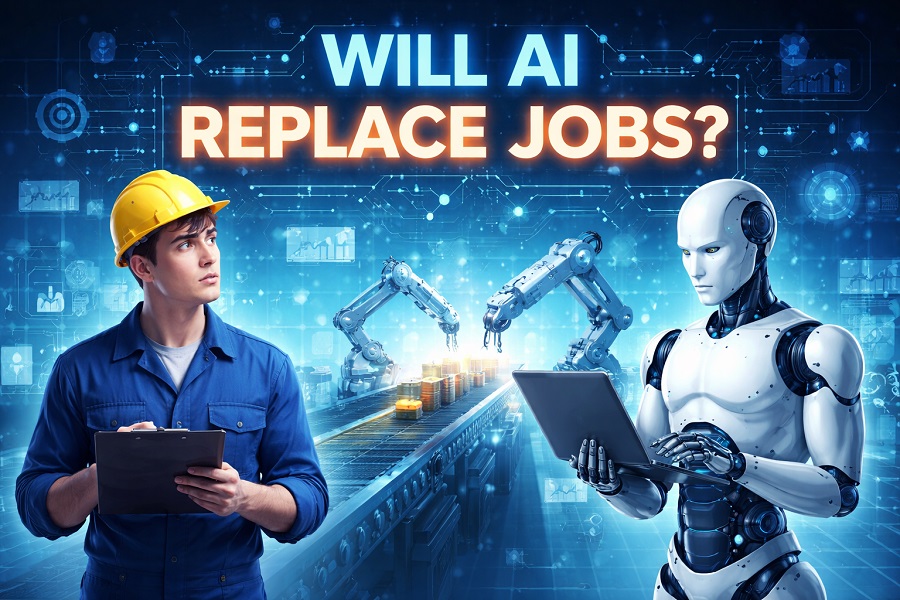
    Artificial Intelligence (AI) is everywhere right now. From chatbots answering questions to tools that create images, music, and even code, it’s clear that technology is changing fast. Naturally, this raises a big question for students: Will AI replace jobs in the future?

    The short answer is: some jobs will change, some will disappear, but many new opportunities will also be created. Instead of worrying, students should focus on building skills that will stay valuable no matter how technology evolves.

    Let’s break it down.

    Will AI Really Replace Jobs?

    AI is already automating certain tasks. Jobs that involve repetitive work, data entry, or routine processes are the most at risk. For example:

    • Basic customer support roles
    • Data processing jobs
    • Simple administrative tasks

    But this doesn’t mean all jobs are disappearing. In fact, history shows that every major technological shift creates new roles. Many old jobs changed, but millions of new careers were born.

    AI works best with clear instructions and patterns. It struggles with creativity, emotions, and complex decision-making. That’s where humans still have a strong advantage.


    Jobs That Are Likely to Grow

    Instead of focusing on what might disappear, it’s smarter to look at what’s growing. Many future jobs will involve working with AI, not competing against it.

    Here are some areas expected to expand:

    1. Technology and AI-Related Roles

    People who understand how AI works will be in high demand. This includes roles like developers, analysts, and system designers.

    2. Creative Fields

    AI can assist with content creation, but human creativity still stands out. Writing, design, filmmaking, and marketing will continue to need original thinking.

    3. Healthcare and Human Services

    Jobs that require empathy include doctors, nurses, therapists, and social workers and they are hard for AI to replace.

    4. Skilled Trades

    Electricians, mechanics, and technicians work in real-world environments where human judgment is essential.

    The Skills That Will Matter Most

    If AI is changing the job market, what should students focus on instead?

    The answer is simple: build skills that machines can’t easily copy.

    1. Critical Thinking

    AI can give answers, but it doesn’t always know if those answers are correct. Students need to learn how to question information, analyze problems, and make smart decisions.

    Ask yourself:

    • Does this make sense?
    • What could go wrong?
    • Is there a better solution?

    These habits will always be valuable.

    2. Creativity

    Creativity is one of the biggest advantages humans have. While AI can generate ideas, it often relies on existing patterns.

    Students should practice:

    • Writing
    • Designing
    • Brainstorming new ideas
    • Solving problems in unique ways

    Creative thinking helps you stand out in any field even while preparing for academic priorities like key CBSE questions.

    3. Communication Skills

    Being able to explain ideas clearly is a powerful skill. Whether you’re working in business, technology, or healthcare, communication matters.

    Focus on:

    • Writing clearly
    • Speaking confidently
    • Listening carefully

    Even in a tech-driven world, people still work with people.

    4. Emotional Intelligence

    AI doesn’t understand emotions the way humans do. Skills like empathy, teamwork, and leadership are hard to automate.

    Students should learn how to:

    • Work well with others
    • Handle conflict
    • Understand different perspectives

    These skills are essential in almost every career.

    5. Adaptability

    The future is unpredictable. Jobs will continue to change, and new roles will appear.

    The most successful people are those who can adapt quickly.

    Students should:

    • Be open to learning new things
    • Stay curious
    • Keep updating their skills

    Learning doesn’t stop after school, it’s a lifelong process.

    Why Learning AI Is Still Important

    Even though AI won’t replace everything, understanding it is still a huge advantage.

    You don’t need to become an expert, but having basic knowledge helps you:

    • Use AI tools effectively
    • Improve productivity
    • Stay competitive in the job market

    Think of AI as a tool, like a calculator or computer. The better you use it, the more valuable you become.

    What Students Should Do Right Now

    If you’re a student wondering how to prepare for the future, here are some practical steps:

    1. Focus on Learning, Not Just Grades

    Grades matter, but skills matter more. Try to truly understand what you’re studying instead of memorizing for exams.

    2. Build Real-World Skills

    Work on projects, internships, or freelance work. Experience helps you learn faster and stand out.

    3. Explore Different Interests

    Don’t limit yourself too early. Try different subjects and activities to discover what you enjoy.

    4. Learn Smart Exam Strategies

    Along with future skills, students should still prepare well for school exams by practicing most expected questions for Class 12 exams to build confidence and improve performance.

    5. Learn Digital Skills

    Basic knowledge of technology, online tools, and digital platforms is essential today.

    6. Stay Informed

    Keep up with trends in AI, technology, and the job market. Awareness helps you make better decisions.

    The Big Picture: AI as an Opportunity

    It’s easy to feel worried about AI taking over jobs. But instead of seeing it as a threat, it’s better to see it as an opportunity.

    AI can:

    • Handle repetitive work
    • Save time
    • Improve efficiency

    This allows humans to focus on more meaningful and creative tasks.

    The future isn’t about humans vs. AI. It’s about humans working with AI.

    Final Thoughts

    So, will AI replace jobs? Yes, some jobs will change or disappear. But many new ones will take their place.

    The key for students is not to fear AI, but to prepare for a world where it plays a major role.

    Focus on skills like critical thinking, creativity, communication, and adaptability. These are the qualities that will always be in demand.

    In the end, technology may evolve but human potential remains the most powerful tool of all.

  • Mealtimes That Teach Manners And Healthy Habits In A Good Preschool in Singapore

    Mealtimes That Teach Manners And Healthy Habits In A Good Preschool in Singapore

    Mealtimes at preschool offer more than just food. These daily moments shape how young children relate to eating, sharing, and social behaviour. A trusted preschool in Singapore understands that every meal presents a chance to build character and skills that last a lifetime.

    Why Mealtimes Matter in Early Education

    Young children learn through repetition and routine. When teachers guide mealtimes with intention, children absorb lessons without feeling taught. They watch peers, copy adults, and practise new behaviours in a safe space.

    Quality preschools treat mealtimes as part of the curriculum. Children learn to wait their turn, use utensils properly, and try unfamiliar foods. These small actions build patience, coordination, and openness to new experiences.

    Building Table Manners Through Daily Practice

    Good manners don’t appear overnight. Children need consistent guidance and positive examples. At a trusted preschool in Singapore, teachers model polite behaviour during every meal.

    Children learn to say please and thank you when requesting food. They practise sitting properly at the table rather than wandering about. Teachers gently remind them to chew with mouths closed and use napkins.

    These reminders come without shame or harsh correction. Instead, teachers praise children who remember the rules. This positive approach helps young learners want to behave well.

    The Role of Family-Style Serving

    Many quality preschools use family-style meal service. Children pass bowls and plates to one another. They serve themselves with teacher support.

    This method teaches sharing and portion awareness. Children see how much food exists for everyone. They learn to take reasonable amounts rather than grabbing everything at once.

    Family-style serving also builds motor skills. Pouring juice from a small jug requires focus and control. Spooning rice onto a plate strengthens hand muscles needed for writing later.

    Creating Healthy Eating Habits Early

    The food children eat shapes their health for years to come. A trusted preschool in Singapore prioritises nutrition alongside manners.

    Teachers introduce colourful vegetables and whole grains regularly. They present these foods without pressure or force. Children feel encouraged to taste new items, but refusal doesn’t bring punishment.

    When teachers eat the same meals as students, children feel more willing to try them. Seeing a respected adult enjoy broccoli makes it seem less scary.

    Teaching Children to Listen to Their Bodies

    Young children naturally know when they feel hungry or full. Quality preschools protect this instinct rather than override it.

    Teachers avoid forcing children to clean their plates. Instead, they teach students to notice how their tummies feel. This awareness prevents overeating and builds a healthy relationship with food.

    Children also learn that different foods serve different purposes. Some give energy for playing. Others help bodies grow strong. These simple lessons create understanding without complicated lectures.

    Social Skills Developed at the Table

    Mealtimes bring children together in ways that other activities cannot match. Sitting face to face, they learn to converse and connect.

    Teachers encourage children to talk about their day or share stories. They teach turn-taking in conversation, just as they do with toys. Children learn to listen when others speak and wait for pauses before jumping in.

    These interactions build friendships. Children discover common interests over lunch. They learn that mealtimes can be pleasant social occasions rather than rushed events.

    Handling Spills and Mistakes with Grace

    Every child spills milk or drops food at some point. How adults respond to these moments matters greatly.

    Quality preschools treat accidents as learning opportunities. Teachers stay calm and help children clean up. They show that mistakes happen to everyone and can be fixed.

    This approach builds resilience. Children learn that one spill doesn’t ruin a meal or make them bad. They develop problem-solving skills by helping with cleanup.

    Supporting What Families Teach at Home

    The habits children learn at preschool should align with family values. Good programmes communicate with parents about mealtime practices.

    Teachers share what children eat and how they behave at the table. Parents can reinforce the same lessons at home. This consistency helps children adopt good habits more quickly.

    When preschools and families work together, children benefit most. The lessons learned at school become part of their everyday behaviour.

    Mealtimes at quality preschools do much more than fill hungry tummies. They shape character, build skills, and establish patterns that support lifelong health and happiness.

  • Top Secondary & High Schools in Ahmedabad for Academic Excellence!

    Top Secondary & High Schools in Ahmedabad for Academic Excellence!

    A student’s journey toward a professional career is often won or lost in the secondary years; finding a school that balances rigorous testing with intellectual curiosity is the key to long-term success.

    Ahmedabad has long been recognised as one of India’s leading education hubs. With a strong mix of traditional values and modern learning approaches, the city offers excellent schooling options across all levels. As students progress into secondary and high school, academic rigour, structured learning, and future readiness become key priorities for parents.

    This is why many families actively seek good schools in Ahmedabad that deliver consistent academic excellence while supporting overall student development. Secondary and high school years play a defining role in shaping a student’s academic direction, confidence, and career aspirations, acting as the final bridge to adulthood and professional life.

    Why Secondary & High School Education Matters

    The transition from primary to secondary education introduces more advanced subjects, deeper conceptual learning, and higher expectations. At this stage, students develop analytical thinking, discipline, and independent study habits.

    Top-performing schools focus on strengthening subject fundamentals while helping students manage academic pressure effectively. A strong secondary education prepares students for board examinations, higher studies, and competitive career paths. Selecting the right school during these years ensures that the “foundational early learning” of previous stages is successfully converted into advanced expertise.

    Building the Journey from Early Education

    Academic excellence does not begin in high school it is built gradually. Many parents start by choosing a top preschool in Ahmedabad that focuses on curiosity and emotional development. A well-structured preschool experience helps children transition smoothly into formal schooling, ensuring they have the communication skills necessary for higher grades.

    Strong Foundations Through Primary Education

    Primary education acts as a bridge. A CBSE primary school in Ahmedabad typically focuses on concept clarity and numeracy skills. This foundation is essential for handling the academic depth of secondary education. Students who develop strong reading and analytical skills during primary years adapt more easily to complex subjects such as science and mathematics later on.

    Proof of Expertise: The Parent’s Evaluation Checklist

    To determine if a secondary school truly offers “academic excellence”, look for these three factual clarifiers:

    • Faculty Training: Ensure teachers are subject-matter experts with specific training in secondary-level pedagogy.
    • Assessment Approach: Does the school use data-driven assessments to identify and bridge learning gaps for each student?
    • Curriculum Authorisation: Verify the school’s affiliation with recognised boards (CBSE, ICSE, or IBO) to ensure the certificate holds global or national weight.

    Academic Excellence: At a Glance

    School Stage

    Key Academic Focus

    Skills Developed

    Preschool

    Curiosity-driven learning

    Communication & early confidence

    Primary School

    Concept clarity & numeracy

    Logical thinking & reading comprehension

    Secondary School

    Subject depth & structured tests

    Analytical thinking & independent study

    High School

    Specialisation & exam prep

    Time management & career awareness

    Key Takeaways

    • Continuous Growth: Academic excellence is a cumulative process starting from a top preschool in Ahmedabad.
    • Board Readiness: Secondary schools focus on the discipline required for national and international board exams.
    • Balanced Rigour: The best good schools in Ahmedabad provide a supportive environment that reduces exam-related stress.
    • Subject Specialisation: High school is the time for students to align their academic strengths with future career goals.

    FAQs

    1. How do high schools in Ahmedabad prepare students for competitive exams?

    Most leading schools integrate entrance exam coaching and career counselling into the high school curriculum to streamline student preparation.

    2. Why should I choose a CBSE primary school in Ahmedabad for my child?

    A CBSE foundation is highly beneficial for students who plan to appear for national-level competitive exams like JEE or NEET in the future.

    3. What is the role of mentorship in high school?

    Mentorship helps students navigate the pressure of board exams while assisting them in making informed decisions about their university pathways.

  • NET Primary School Teaching Jobs in Hong Kong

    NET Primary School Teaching Jobs in Hong Kong

    Hong Kong continues to invest heavily in English language education, particularly at the elementary level. This ongoing commitment has created steady demand for qualified educators seeking NET primary school positions. For teachers aiming to build an international career within a structured education system, primary-level placements offer both stability and professional growth.

    Unlike kindergarten roles that emphasize foundational communication, a NET primary school position focuses on structured curriculum delivery, literacy development, and measurable academic progress. Teachers play a key role in strengthening students’ grammar, reading comprehension, writing skills, and spoken confidence.

    The Role of NET Teachers in Primary Schools

    In a NET primary school setting, educators typically work alongside local English teachers to enhance classroom instruction. Responsibilities often include:

    1. Delivering interactive English lessons aligned with the official curriculum
    2. Supporting phonics and reading programs
    3. Designing engaging speaking and listening activities
    4. Preparing students for assessments and internal evaluations
    5. Contributing to curriculum planning and school-based initiatives

    A NET primary school teacher is not just an instructor but also a collaborator who helps modernize teaching strategies and introduce communicative methodologies.

    Why Primary-Level Positions Are Attractive

    Many educators prefer a NET primary school role because it strikes a balance between structured academics and creative teaching. Students at this level are highly receptive, making it rewarding for teachers to witness noticeable language development within a short period.

    Additionally, government-backed programs ensure that transparent salary scales and regulated employment terms support NET primary school positions. This creates financial stability and long-term career security.

    Qualifications and Experience

    To qualify for a NET primary school position, applicants generally require:

    1. A bachelor’s degree
    2. A recognized teaching qualification such as PGCE, TEFL, or TESOL
    3. Classroom teaching experience, ideally with primary-aged students
    4. Strong lesson planning and classroom management skills

    Schools also value candidates who can demonstrate measurable student improvement and collaborative teaching experience.

    Compensation and Benefits

    One of the primary advantages of working in a NET primary school is the competitive compensation package. Teachers often receive:

    1. Attractive monthly salary
    2. Housing or rental allowance
    3. Medical insurance coverage
    4. Paid holidays and public leave
    5. End-of-contract gratuity bonuses

    These benefits make Hong Kong one of the most competitive destinations for primary-level teaching in Asia.

    Career Advancement Opportunities

    Experience gained in a NET primary school environment strengthens an educator’s international profile. Teachers develop skills in curriculum integration, assessment planning, and cross-cultural classroom management. Many professionals use this experience as a stepping stone toward senior teaching or academic leadership roles.

    Support programs such as those provided by Headstart Group guide educators through career progression and application preparation, ensuring smoother transitions into Hong Kong’s education system.

    Final Outlook

    With continued government investment in English language education, demand for NET primary school teachers remains strong. For qualified professionals seeking structured employment, competitive benefits, and meaningful classroom impact, Hong Kong offers an excellent pathway.

    Applying early and preparing a strong, achievement-focused profile significantly increases the likelihood of securing a rewarding primary school teaching role for the upcoming academic year.

  • End-to-End Type Safety with tRPC and TypeScript in Full Stack Projects

    End-to-End Type Safety with tRPC and TypeScript in Full Stack Projects

    Building modern web applications is more complex than ever. Developers must handle everything from the frontend to the backend, making sure that data is consistent and secure across the entire stack. In this fast-changing environment, maintaining type safety from end to end has become essential. One of the best solutions to achieve this is by using tRPC with TypeScript.

    For those currently learning or improving their skills, many modern tools and frameworks can seem overwhelming. But once you understand the power of combining tRPC with TypeScript, you’ll see how it can greatly simplify your work as a full-stack developer. If you’re currently taking a full stack developer course, you’re likely hearing a lot about TypeScript, APIs, and full stack frameworks. tRPC is one tool that should definitely be on your radar.

    What is End-to-End Type Safety?

    Before diving into tRPC, let’s first understand what end-to-end type safety means.

    When building full stack apps, developers often have to manage separate code for the frontend and backend. APIs (like REST or GraphQL) connect the two. However, one common problem is that data types may not match between them. For example, your backend might send a number, but your frontend might expect a string. This leads to bugs, crashes, or unexpected behavior.

    End-to-end type safety ensures that types are shared and respected across the entire app—from the database, through the server, all the way to the browser. This reduces bugs, increases developer productivity, and makes it easier to refactor code without breaking things.

    That’s where tRPC comes in.

    What is tRPC?

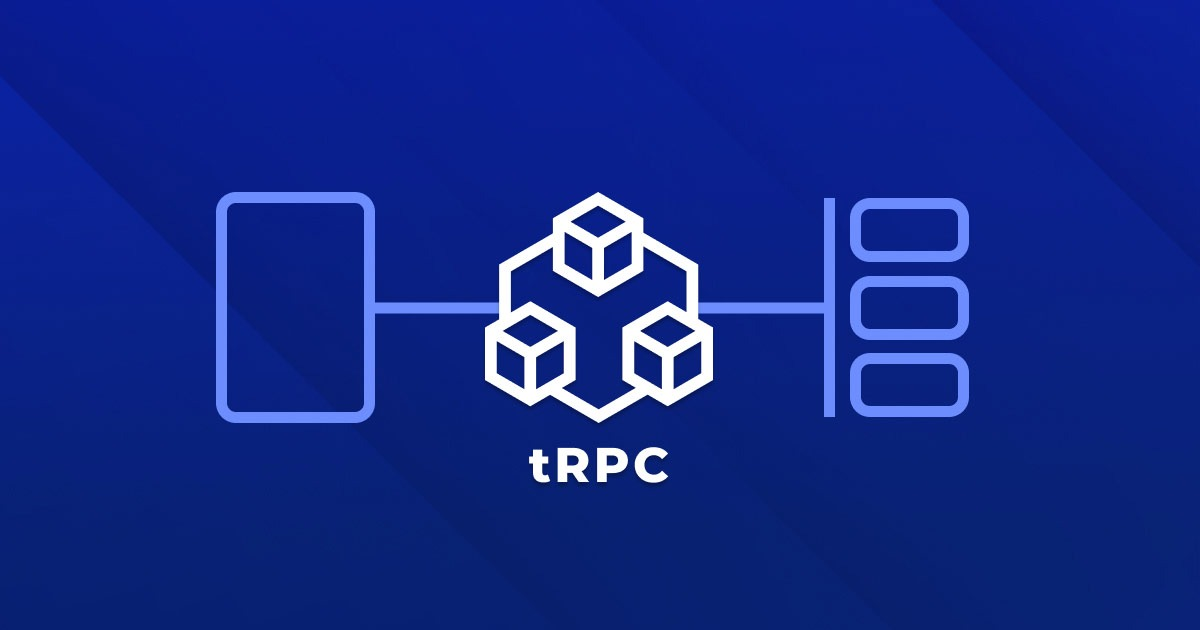
    tRPC stands for TypeScript Remote Procedure Call. It is a TypeScript-first framework that allows you to build fully type-safe APIs without needing to write and maintain a separate API schema.

    Unlike REST or GraphQL, tRPC doesn’t require you to define API endpoints in one place and types in another. With tRPC, you create “procedures” (functions) on your backend and call them directly from the frontend, with full type safety.

    In simpler terms: what you write on the server is automatically available on the client—with types fully preserved.

    Why Use tRPC?

    Here are a few reasons why tRPC is becoming a popular choice among TypeScript developers:

    • No Schema Duplication: With REST or GraphQL, you often define the same data structure multiple times (once for the server, once for the client). With tRPC, you define it once.
    • Type Inference: The client knows exactly what types to expect from each API call.
    • Fast Development: You can build and change features quickly without worrying about breaking types.
    • Strong Integration with TypeScript: tRPC is built with TypeScript in mind from the ground up.

    Let’s look at how it works.

    How tRPC Works in a Full Stack App

    Suppose you are building a simple to-do app. On the backend, you might have a function that returns a list of tasks from your database.

    With tRPC, you define a procedure like this:

    // server/routers/todo.ts

    import { z } from ‘zod’;

    import { publicProcedure, router } from ‘../trpc’;

    export const todoRouter = router({

    getTodos: publicProcedure.query(async () => {

    return await getTasksFromDatabase();

    }),

    });

    On the client side, you can call this procedure like a normal function:

    // client/pages/todos.ts

    const { data: todos } = trpc.todo.getTodos.useQuery();

    You never have to write types twice. If your server-side function returns an array of { id: number; title: string }, the client knows that and will expect the same type.

    This makes development smoother and faster.

    Benefits of TypeScript in Full Stack Development

    By using TypeScript in both frontend and backend, you get a consistent development experience.

    Some of the main benefits include:

    • Early Error Detection: Catch errors during development instead of at runtime.
    • Improved Code Completion: TypeScript gives smart IntelliSense suggestions, which helps write code faster.
    • Easier Refactoring: You can safely rename or move code around with confidence.
    • Better Documentation: Types act as live documentation of your code.

    When used together with tRPC, TypeScript allows you to create apps where all parts “talk” to each other clearly and safely.

    Real-World Example: A Blog Platform

    Let’s say you’re building a blog platform where users can create, read, and delete posts.

    In tRPC, you might define the backend logic like this:

    // server/routers/post.ts

    export const postRouter = router({

    createPost: publicProcedure

    .input(z.object({ title: z.string(), content: z.string() }))

    .mutation(async ({ input }) => {

    return await db.post.create({

    data: {

    title: input.title,

    content: input.content,

    },

    });

    }),

    getPosts: publicProcedure.query(async () => {

    return await db.post.findMany();

    }),

    });

    On the frontend, your client can call these functions directly:

    const { data: posts } = trpc.post.getPosts.useQuery();

    const mutation = trpc.post.createPost.useMutation();

    mutation.mutate({ title: ‘My First Blog’, content: ‘Hello World’ });

    The best part? You never had to write a single line of API documentation or maintain JSON schemas. Everything is handled automatically, and safely.

    When Not to Use tRPC

    tRPC is powerful, but it’s not a perfect fit for every project.

    Here are some cases where it might not be the best choice:

    • Public APIs: If your app needs to expose a public API for third-party developers, REST or GraphQL might be better.
    • Non-TypeScript Projects: tRPC depends heavily on TypeScript. If your team isn’t comfortable with TypeScript, it might be too complex.
    • Large Teams with Separate Frontend/Backend: If different teams manage the frontend and backend separately, tRPC’s tight coupling might become a problem.

    But for full stack apps using Next.js or similar frameworks, especially in smaller teams or solo projects, tRPC offers a very clean and powerful development experience.

    Getting Started with tRPC

    If you’re excited to try tRPC, here’s a basic setup to get you started (assuming you’re using Next.js):

    1. Install dependencies:
      npm install @trpc/server @trpc/client @trpc/react zod
    1. Set up your API handler:

    // pages/api/trpc/[trpc].ts

    import { createNextApiHandler } from ‘@trpc/server/adapters/next’;

    import { appRouter } from ‘../../../server/routers/_app’;

    export default createNextApiHandler({

    router: appRouter,

    createContext: () => null,

    });

    1. Define your router:

    // server/routers/_app.ts

    import { router } from ‘../trpc’;

    import { postRouter } from ‘./post’;

    export const appRouter = router({

    post: postRouter,

    });

    1. Use the router on the client:

    // utils/trpc.ts

    import { createTRPCReact } from ‘@trpc/react-query’;

    import type { AppRouter } from ‘../server/routers/_app’;

    export const trpc = createTRPCReact<AppRouter>();

    With just a few files and some configuration, you’ll be up and running with full end-to-end type safety.

    Conclusion

    End-to-end type safety is more than just a developer luxury—it’s becoming a necessity in today’s complex full stack projects. Tools like tRPC and TypeScript help you build safer, faster, and more maintainable applications by keeping all parts of your app in sync.

    If you’re building modern web apps with Next.js, Prisma, or any other full stack tech, it’s worth giving tRPC a serious look. The simplicity it offers, combined with the power of TypeScript, allows you to focus more on features and less on fixing bugs caused by mismatched data.

    And if you’re currently attending a full stack developer course in hyderabad, now is the perfect time to explore how tools like tRPC fit into the larger ecosystem. It’s one of those technologies that can truly transform the way you think about APIs and full stack development.

    Contact Us:

    Name: ExcelR – Full Stack Developer Course in Hyderabad

    Address: Unispace Building, 4th-floor Plot No.47 48,49, 2, Street Number 1, Patrika Nagar, Madhapur, Hyderabad, Telangana 500081

    Phone: 087924 83183

  • Generative AI Learning: Learn About Modern Automation Technologies

    Generative AI Learning: Learn About Modern Automation Technologies

    If you look back at the 1980s or 90s, traditional businesses operated with a large human-led workforce that took months and years to complete a project. On the other hand, today’s modern age business solutions in Bangalore buzz around automation. The evolution of Generative AI technologies set a competitive standard for business operations in the city. This industry change is widely known as automation. Hence, professionals from different disciplines get ready to join Generative AI training and refine their skills. 

    Indeed, Gen AI learning is all about mastering automation technologies. But, before knowing them, let us understand the benefits that work automation can bring. 

    Briefing on the Role of Generative AI in Justifying Modern Automation

    Gen AI is the crucial growth force for businesses and thousands of working professionals. It empowers aspirants to leverage business intelligence and drive compelling growth. Experts with Gen AI-rich skills can outperform others while handling challenging projects and deployments. 

    In short, Gen AI expertise can help experts redefine their careers and improve overall yields. Thus, mastering key tools via Generative AI courses in Bangalore brings promising career opportunities. Gen AI automates regular business operations that can create engaging content and attract customers. 

    Gen AI transforms traditional business operations, empowering them to grab alluring offers. It sets the stage for including modern automation technologies in future-proof careers. Modern work automation paves the way for a collaborative workspace instead of reducing human interventions. 

    Gen AI enriches the human-led content and other deliverables, inspiring experts to manage challenging cases and drive exciting results. Unlike traditional systems, Gen AI leads the workforce toward delivering engaging outputs. Indeed, Gen AI justifies the modern automation work approaches that empower teams to work intelligently. 

    Apart from this, Gen AI specifies teams with the following advantages –

    • Build intelligent systems to tackle workflows and associated data patterns
    • Generate engaging and user-centric content to have maximum website traffic and expand revenue margins
    • Automate cognitive tasks for better service provisions and enriched results
    • Gen AI-driven automation personalizes user-centric content for maximum yields
    • Experts with Gen AI expertise can leverage innovation and deliver creative results with substantial gains

    Is GenAI Learning Worth the Investment for Professionals to Tackle Automation Technologies?

    Yes. Gen AI learning is essential for professionals who wish to handle automation technologies. Such tech creations help businesses handle complex tasks and drive competitive returns. Experts can lead the team with superficial skills that will enrich overall yields and lessen challenges. In short, experts can make an impactful career in their domains with constant Gen AI-rich expertise. 

    It will help you in various ways –

    • Constant Learning of Automation Tools and Technologies

    Bangalore’s promising Gen AI courses provide a learning space where you stay informed and aware of automation technologies. Professionals can learn to handle complex matters easily and pursue competitive careers. A dedicated Gen AI learning is required here to defeat critical challenges and thrive. Indeed, learning sets the stage for collaborative work setups instead of machine-centric or human-driven working. 

    • Practical Handling of Real Data

    Gen AI careers are trending, inspiring professionals to learn and land promising roles. Hence, continuous learning has become vital for experts to face the challenges and overcome them. It allows experts to work on complicated tasks and devise insightful solutions. Experts with practical experience with challenging datasets and Gen AI systems can have a better approach to solving business problems. Practical Gen AI learning empowers experts to enhance creativity levels and induce innovation. 

    • Domain-driven Career Specialization

    Learners can boost their domain-driven careers with expert-led training. Indeed, each domain requires Gen AI expertise to work seamlessly and drive better results. Gen AI has an optimal presence across diverse industries and domain disciplines. It empowers professionals to refine their prior domain-specific knowledge and attain success. Hence, quality learning is essential for experts to extract substantial gains. 

    • Intelligent Business Decisions with Higher Yields

    Upskilling via promising Generative AI courses in Bangalore empowers professionals to drive higher yields. Experts can learn to work with Gen AI systems that enhance their decision-making skills and empower them to face digital problems. It will help them grow amid challenging situations and drive efficient results. Gen AI mastery equips you with skills to enhance your business intelligence and strategize your decisions. 

    Wrapping Up!!

    Certainly, modern businesses are based on the latest technology and innovations, driving competitive results. The evolution of Gen AI models has grabbed the attention of numerous businesses to build a competitive edge and drive success. Hence, professionals opt for industry-focused Generative AI training to get their hands on modern automated technologies. A career-worthy investment in Gen AI learning is essential to have competitive results and effortless growth. Master Gen AI today to collaborate with modern automation technologies. 

  • Unlocking Scalable Growth: How Embedded Talent Partners Revolutionize Team Expansion

    Unlocking Scalable Growth: How Embedded Talent Partners Revolutionize Team Expansion

    Growth often demands speed and precision. Many companies struggle with hiring during crucial stages. Internal teams face competing priorities and limited reach. An embedded talent partner offers a fresh solution. This model integrates an external recruiter within the company framework. The aim is to unlock flexible and sustained expansion. It delivers tailored strategies aligned to business goals. The result is a faster hiring process and stronger team foundations. This approach addresses both immediate and long term needs. It helps businesses adapt and thrive.

    Faster Team Expansion Without Disruption

    An embedded talent partner works from within operations. They align fully with the company culture. Speed in hiring becomes achievable without chaos. Recruitment gaps are filled quickly and effectively. Managers avoid delays in project timelines. The partner manages search and placement expertly. This method keeps focus on quality hires. The process fits seamlessly with existing workflows. Internal staff can maintain their priorities. External help ensures recruitment stays constant. Businesses see results without halting progress. This model removes stress from scaling efforts.

    Flexible Hiring That Adapts To Change

    Market conditions shift often and unexpectedly. Talent needs evolve with those changes. An embedded partner adjusts plans instantly. They respond to role requirements in real time. This flexibility supports diverse hiring needs. Teams can scale up or scale down smoothly. Projects stay staffed even during transitions. Hiring strategies adapt to industry movement. The approach suits both steady and rapid growth. Seasonal demand is met effortlessly. The partner works as an extension of the team. This keeps hiring fluid and aligned. Agility becomes a core advantage of expansion.

    Cost Effective Recruitment With Lasting Value

    Hiring internally can become expensive quickly. Advertising and agency fees increase budgets. An embedded partner reduces those costs significantly. They work on retained agreements with focus. Resources are allocated directly to active recruitment. Gaps are addressed without overspending on external agencies. This model increases value over time. The approach builds sustained talent pipelines. Investments in recruitment deliver consistent returns. Cost savings allow funds for other growth areas. Budget control improves alongside team quality. Partner integration results in efficient hiring spend. Long term scalability becomes financially sustainable.

    Proactive Pipeline Building And Admin Management

    An embedded partner handles outreach consistently. They maintain a pool of interested candidates. Hiring becomes proactive instead of reactive. This readiness shortens time to fill roles. Administrative tasks are also managed fully. Interview scheduling and feedback collection run smoothly. Internal teams avoid heavy recruitment paperwork. Managers focus on core growth activities. Candidate experience improves through structured processes. Long term relationships are nurtured with professionals. The pipeline stays healthy and accessible. This strategic groundwork supports future expansion efforts.

    Conclusion

    An embedded talent partner delivers speed and stability. Flexible methods fit shifting demands. Cost control ensures sustainable recruitment spending. Proactive pipelines guarantee readiness for future hires. Administrative support frees up critical internal resources. This model strengthens team building from all angles. Businesses gain a trusted partner in growth. Integration blends external skill with internal vision. The result is scalable expansion with minimal strain. To explore more about this approach visit https://wearescout.io/. The journey toward smarter hiring starts with the right partnership.


  • International Curriculum Schools in Ahmedabad Worth Exploring

    International Curriculum Schools in Ahmedabad Worth Exploring

    Education is evolving rapidly, and parents today are looking for schools that go beyond conventional learning to prepare their children for a global future. Ahmedabad, one of India’s most progressive cities, has become home to several top international schools that offer world-class education with globally recognized curricula. These schools focus on nurturing critical thinking, creativity, and cultural understanding—skills essential for the 21st century learner.

    The Appeal of International Curriculum

    An international curriculum is designed to provide students with a broader and more flexible learning experience. It encourages inquiry-based education, where students learn by exploring ideas, experimenting, and reflecting. Many international schools in Ahmedabad follow globally reputed curricula such as the International Baccalaureate (IB) or Cambridge Assessment International Education (CAIE), alongside India’s CBSE curriculum.

    These programs emphasize conceptual learning and real-world application, preparing students for global competitiveness. Parents seeking CBSE school admissions in Ahmedabad often choose institutions that integrate global methodologies with national academic standards—ensuring both academic excellence and adaptability.

    Holistic Learning Environment

    The top international schools in Ahmedabad aim to develop well-rounded individuals through a balance of academics, sports, arts, and life skills. The focus is on fostering intellectual curiosity while nurturing emotional intelligence and creativity. Students are encouraged to think independently, collaborate effectively, and engage with their community.

    Teachers play the role of facilitators rather than instructors, guiding students to discover solutions through discussion and teamwork. This personalized approach helps each child identify and build on their strengths, making learning enjoyable and purposeful.

    Focus on Early Years Education

    Strong foundations in early education are essential for lifelong success. The leading preschools in Ahmedabad adopt play-based and experiential learning methods that stimulate curiosity and imagination in young minds. Interactive classrooms, storytelling, sensory play, and hands-on activities ensure that children develop essential skills in communication, problem-solving, and social interaction.

    Parents in Ahmedabad increasingly prefer preschools that align with international learning standards because they promote confidence, creativity, and curiosity from the earliest stages.

    Modern Infrastructure and Technology Integration

    A major hallmark of international curriculum schools is their modern infrastructure and use of technology. Classrooms are equipped with smart boards, digital tools, and interactive learning platforms that make lessons engaging and immersive. Laboratories, libraries, and innovation hubs provide students with spaces to experiment, explore, and innovate.

    By incorporating technology into education, international schools in Ahmedabad create dynamic environments that prepare students for a digital future where adaptability and tech literacy are key.

    Multicultural Exposure and Global Perspective

    The curriculum in international schools emphasizes global awareness and cultural appreciation. Students learn about diverse societies, global challenges, and sustainability—developing empathy and respect for other cultures. Many institutions organize international exchange programs, Model United Nations (MUN) conferences, and collaborative projects with schools abroad.

    Such exposure ensures that students are not only academically strong but also emotionally mature and socially responsible citizens ready for global opportunities.

    Academic Excellence and Skill Development

    International curriculum schools prioritize both academic depth and skill enhancement. Students are encouraged to apply theoretical knowledge through projects, experiments, and presentations. The assessment methods focus on conceptual understanding, creativity, and analytical thinking rather than rote memorization.

    With dedicated programs in leadership, communication, and innovation, these schools equip students with the skills needed to excel in higher education and future careers—both in India and abroad.

    Parental Involvement and Community Engagement

    Strong collaboration between parents and educators enhances student growth. Top international schools in Ahmedabad maintain transparent communication channels through regular parent-teacher meetings, progress updates, and interactive sessions. Additionally, community initiatives like clean-up drives, cultural festivals, and charity programs encourage students to contribute positively to society.

    This shared partnership ensures that education extends beyond the classroom and becomes a community-driven experience.

    Value-Based Education

    Despite adopting a global curriculum, these schools maintain strong moral and cultural roots. Students are taught values like respect, honesty, empathy, and responsibility through real-life examples and activities. The combination of global outlook and Indian ethos makes these schools a perfect choice for parents who want their children to grow with both modern knowledge and traditional values.

    Preparing Students for Tomorrow

    International curriculum schools in Ahmedabad are transforming the city’s educational landscape. With their emphasis on holistic development, global standards, and personalized learning, they ensure that students are equipped to face the future with confidence.

    Whether parents are exploring CBSE school admissions in Ahmedabad or looking for the top international schools in Ahmedabad, these institutions provide a perfect blend of academic rigor, innovation, and character-building. The early learning programs in reputed preschools in Ahmedabad also lay a strong foundation for future success.

    Conclusion

    Ahmedabad’s growing reputation as an educational hub reflects its commitment to nurturing global citizens. International curriculum schools here offer a dynamic and inclusive learning environment that empowers students to think critically, act ethically, and engage meaningfully with the world around them.

    For parents seeking a balanced and future-ready education for their children, Global Indian International School (GIIS) Ahmedabadstands out as one of the most trusted names. With its world-class curriculum, modern infrastructure, and holistic approach, GIIS continues to shape the next generation of confident, capable, and compassionate learners.

  • Exploring the Global Landscape of Data Science: Regional Opportunities

    Exploring the Global Landscape of Data Science: Regional Opportunities

    Imagine the world as a vast library. Each region contributes its own unique set of books—some rich in historical knowledge, others brimming with futuristic ideas. Data science is the key that helps us decode, cross-reference, and apply this global collection of insights.

    But unlike a library where every book follows the same catalogue system, data science opportunities vary dramatically across regions. From North America’s innovation hubs to Asia’s talent-driven ecosystems, the discipline adapts to local needs, cultures, and industries.

    North America: The Innovation Powerhouse

    North America stands at the frontier of artificial intelligence and data-driven innovation. Silicon Valley companies drive global standards in AI research, cloud infrastructure, and big data applications. The region’s strength lies in venture capital funding and deep collaborations between academia and industry.

    Startups and tech giants alike leverage machine learning for personalisation, autonomous vehicles, and healthcare diagnostics. The ecosystem thrives because data science here is not just a skill—it’s treated as a competitive advantage.

    For aspiring professionals, international exposure often begins with structured training like a data scientist course, providing the foundations before advancing to specialised roles in global companies.

    Europe: The Ethical Guardian

    Europe positions itself as the guardian of responsible AI. While North America prioritises speed and disruption, Europe focuses on ethics, privacy, and regulation. The GDPR framework reshaped how companies worldwide manage personal data.

    Opportunities in Europe span sectors like fintech in London, automotive analytics in Germany, and innovative city initiatives in Scandinavia. Universities and research labs often lead projects ensuring transparency and fairness in AI models.

    Professionals who complete a data scientist course often find that pairing technical knowledge with an understanding of compliance and ethics makes them especially attractive to European employers.

    Asia: The Talent Engine

    Asia is a hotbed of opportunity, powered by a young, tech-savvy workforce. India, in particular, has become a global hub for analytics outsourcing, cloud development, and AI research. Multinational firms set up regional data science centres here to tap into a vast talent pool.

    China invests heavily in AI infrastructure, focusing on computer vision, natural language processing, and robotics. Meanwhile, Southeast Asia builds strength in e-commerce analytics and mobile-first solutions.

    Structured programmes like a Data Science Course in Delhi help bridge the gap between raw talent and industry expectations, offering practical projects, real datasets, and placement opportunities in growing sectors.

    Middle East and Africa: The Emerging Players

    Once considered peripheral in technology adoption, the Middle East and Africa are now rising as important data science markets. Governments in the Gulf invest in AI-driven healthcare, oil optimisation, and digital governance. Africa focuses on agriculture technology, mobile banking, and resource management through data innovation.

    Training hubs in these regions often collaborate with global institutions, encouraging learners to take up courses aligned with international standards. Enrolling in a Data Science Course in Delhi can give professionals in these regions a competitive advantage by equipping them with skills transferable across markets.

    Latin America: The Agile Innovators

    Latin America thrives on agility. With fewer resources compared to North America or Asia, the region excels at innovative, low-cost applications of data science. Brazil leads with fintech startups, while Mexico leverages analytics for manufacturing and logistics.

    The entrepreneurial spirit drives Latin America’s growth, where small teams build scalable, impactful solutions tailored to local markets. Opportunities are expanding rapidly in government digitisation, agriculture, and education technology.

    Conclusion

    The global landscape of data science is like a mosaic—each region contributes its own piece, shaped by culture, resources, and priorities. North America drives innovation, Europe champions ethics, Asia fuels growth with talent, the Middle East and Africa focus on solving pressing challenges, and Latin America exemplifies resilience.

    For professionals, the lesson is clear: success lies not just in mastering algorithms but also in adapting skills to diverse regional contexts. In this interconnected world, data science is more than numbers—it is a passport to global problem-solving.

    Business Name: ExcelR – Data Science, Data Analyst, Business Analyst Course Training in Delhi

    Address: M 130-131, Inside ABL Work Space,Second Floor, Connaught Cir, Connaught Place, New Delhi, Delhi 110001

    Phone: 09632156744

    Business Email: enquiry@excelr.com

  • Childcare Services That Help Children Grow and Thrive Every Day

    Childcare Services That Help Children Grow and Thrive Every Day

    Quality childcare forms the foundation of a child’s development during their most formative years. Parents today face increasing demands on their time whilst wanting the best possible care for their children. Professional childcare services bridge this gap by providing safe, nurturing environments where children can learn and grow.

    Why Quality Childcare Matters for Your Family

    Modern families need reliable childcare solutions that support both parents and children effectively. Quality childcare services offer structured environments where children develop social skills, emotional intelligence, and academic readiness. These programmes create consistency in daily routines whilst allowing parents to focus on their careers with peace of mind.

    Understanding Different Types of Childcare Options

    Day Care Centres for Primary School Children

    Day care centres specifically designed for primary school children provide essential after-school supervision and enrichment activities. These facilities cater to children aged 6 to 12 years old, offering homework support and recreational programmes. Primary school day care ensures children remain engaged in productive activities rather than returning to empty homes.

    Educational Childcare Programmes

    Educational childcare programmes combine care with structured learning opportunities that complement formal schooling. These programmes focus on developing critical thinking skills, creativity, and academic confidence through hands-on activities. Children benefit from small group settings where individual attention helps address specific learning needs and interests.

    Flexible Childcare Arrangements

    Flexible childcare arrangements accommodate varying family schedules and work commitments throughout the week. These services offer part-time, full-time, or occasional care options to suit different family requirements. Parents can choose programmes that align with their specific needs without compromising on quality or consistency.

    The Benefits of Professional Childcare Services

    Social Development and Peer Interaction

    Professional childcare environments provide children with regular opportunities to interact with peers from diverse backgrounds. These interactions help develop communication skills, empathy, and teamwork abilities essential for future success. Children learn to share, negotiate, and resolve conflicts in supervised settings with trained professionals.

    Academic Support and Homework Assistance

    Quality childcare services include dedicated time for homework completion and academic reinforcement activities. Trained staff members provide guidance and support to help children understand difficult concepts and complete assignments successfully. This academic support helps maintain consistent learning momentum between school and home environments.

    Safe and Supervised Environment

    Professional childcare facilities maintain strict safety protocols and supervision standards to protect children throughout their care. Trained staff members monitor activities closely whilst encouraging independence and exploration within safe boundaries. Parents can trust that their children are secure and well-cared for in these professional environments.

    What to Look for in Quality Childcare Services

    Qualified and Experienced Staff

    Quality childcare services employ staff members with relevant qualifications and extensive experience working with children. These professionals understand child development principles and can adapt their approaches to meet individual needs effectively. Experienced staff create positive relationships with children whilst maintaining appropriate boundaries and expectations.

    Comprehensive Activity Programmes

    Effective childcare programmes offer balanced combinations of educational activities, physical exercise, and creative expression opportunities. These programmes keep children engaged and stimulated whilst developing various skills and interests. Well-planned activities prevent boredom and behavioural issues whilst promoting healthy development.

    Clear Communication with Parents

    Professional childcare services maintain open communication channels with parents regarding their children’s progress and daily activities. Regular updates help parents stay informed about their children’s experiences and any concerns that may arise. This communication partnership ensures consistency between childcare settings and home environments.

    Making the Right Choice for Your Family

    Assessing Your Family’s Specific Needs

    Each family has unique requirements based on work schedules, children’s ages, and individual preferences for care approaches. Consider your specific circumstances when evaluating different childcare options to find the best fit. Take time to visit facilities and observe how staff interact with children during typical daily activities.

    Budget Considerations and Value

    Quality childcare represents a significant investment in your child’s development and your family’s wellbeing. Compare costs across different providers whilst considering the value offered through qualified staff, comprehensive programmes, and facilities. Remember that premium childcare services often provide exceptional value through superior outcomes and peace of mind.

    Professional childcare services provide essential support for modern families seeking quality care for their children. These services create nurturing environments where children can thrive academically, socially, and emotionally whilst parents pursue their careers confidently.