

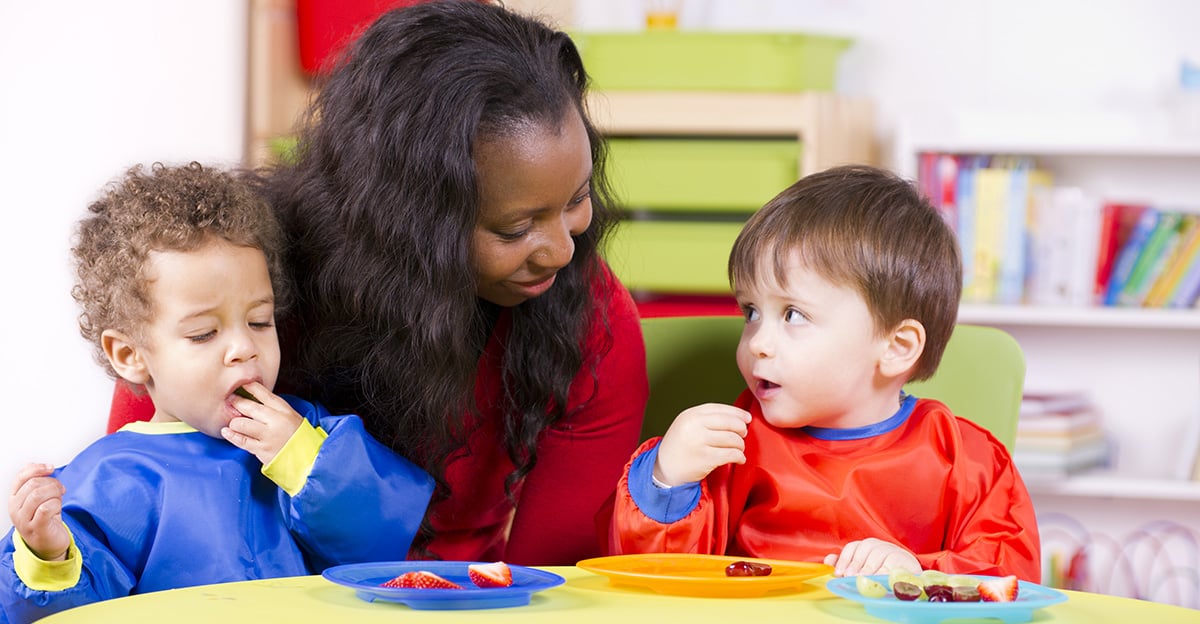
Mealtimes at preschool offer more than just food. These daily moments shape how young children relate to eating, sharing, and social behaviour. A trusted preschool in Singapore understands that every meal presents a chance to build character and skills that last a lifetime.
Why Mealtimes Matter in Early Education
Young children learn through repetition and routine. When teachers guide mealtimes with intention, children absorb lessons without feeling taught. They watch peers, copy adults, and practise new behaviours in a safe space.
Quality preschools treat mealtimes as part of the curriculum. Children learn to wait their turn, use utensils properly, and try unfamiliar foods. These small actions build patience, coordination, and openness to new experiences.
Building Table Manners Through Daily Practice
Good manners don’t appear overnight. Children need consistent guidance and positive examples. At a trusted preschool in Singapore, teachers model polite behaviour during every meal.
Children learn to say please and thank you when requesting food. They practise sitting properly at the table rather than wandering about. Teachers gently remind them to chew with mouths closed and use napkins.
These reminders come without shame or harsh correction. Instead, teachers praise children who remember the rules. This positive approach helps young learners want to behave well.
The Role of Family-Style Serving
Many quality preschools use family-style meal service. Children pass bowls and plates to one another. They serve themselves with teacher support.
This method teaches sharing and portion awareness. Children see how much food exists for everyone. They learn to take reasonable amounts rather than grabbing everything at once.
Family-style serving also builds motor skills. Pouring juice from a small jug requires focus and control. Spooning rice onto a plate strengthens hand muscles needed for writing later.
Creating Healthy Eating Habits Early
The food children eat shapes their health for years to come. A trusted preschool in Singapore prioritises nutrition alongside manners.
Teachers introduce colourful vegetables and whole grains regularly. They present these foods without pressure or force. Children feel encouraged to taste new items, but refusal doesn’t bring punishment.
When teachers eat the same meals as students, children feel more willing to try them. Seeing a respected adult enjoy broccoli makes it seem less scary.
Teaching Children to Listen to Their Bodies
Young children naturally know when they feel hungry or full. Quality preschools protect this instinct rather than override it.
Teachers avoid forcing children to clean their plates. Instead, they teach students to notice how their tummies feel. This awareness prevents overeating and builds a healthy relationship with food.
Children also learn that different foods serve different purposes. Some give energy for playing. Others help bodies grow strong. These simple lessons create understanding without complicated lectures.
Social Skills Developed at the Table
Mealtimes bring children together in ways that other activities cannot match. Sitting face to face, they learn to converse and connect.
Teachers encourage children to talk about their day or share stories. They teach turn-taking in conversation, just as they do with toys. Children learn to listen when others speak and wait for pauses before jumping in.
These interactions build friendships. Children discover common interests over lunch. They learn that mealtimes can be pleasant social occasions rather than rushed events.
Handling Spills and Mistakes with Grace
Every child spills milk or drops food at some point. How adults respond to these moments matters greatly.
Quality preschools treat accidents as learning opportunities. Teachers stay calm and help children clean up. They show that mistakes happen to everyone and can be fixed.
This approach builds resilience. Children learn that one spill doesn’t ruin a meal or make them bad. They develop problem-solving skills by helping with cleanup.
Supporting What Families Teach at Home
The habits children learn at preschool should align with family values. Good programmes communicate with parents about mealtime practices.
Teachers share what children eat and how they behave at the table. Parents can reinforce the same lessons at home. This consistency helps children adopt good habits more quickly.
When preschools and families work together, children benefit most. The lessons learned at school become part of their everyday behaviour.
Mealtimes at quality preschools do much more than fill hungry tummies. They shape character, build skills, and establish patterns that support lifelong health and happiness.