

Choosing a school in Pune has become a more complex and more consequential decision than it was a generation ago. The city’s growth as an education hub has produced a genuinely diverse range of school options spanning national boards, international curricula, and the hybrid frameworks that attempt to combine the best of both worlds. For parents navigating this landscape from the preschool stage, the challenge is not simply identifying the good schools in Pune CBSE category but understanding how the preschool years connect to the subsequent board pathway, what international school frameworks offer that purely domestic alternatives do not, and how to evaluate the quality of a school’s delivery rather than simply the reputation of the curriculum it follows.
What should parents look for in a Pune preschool?
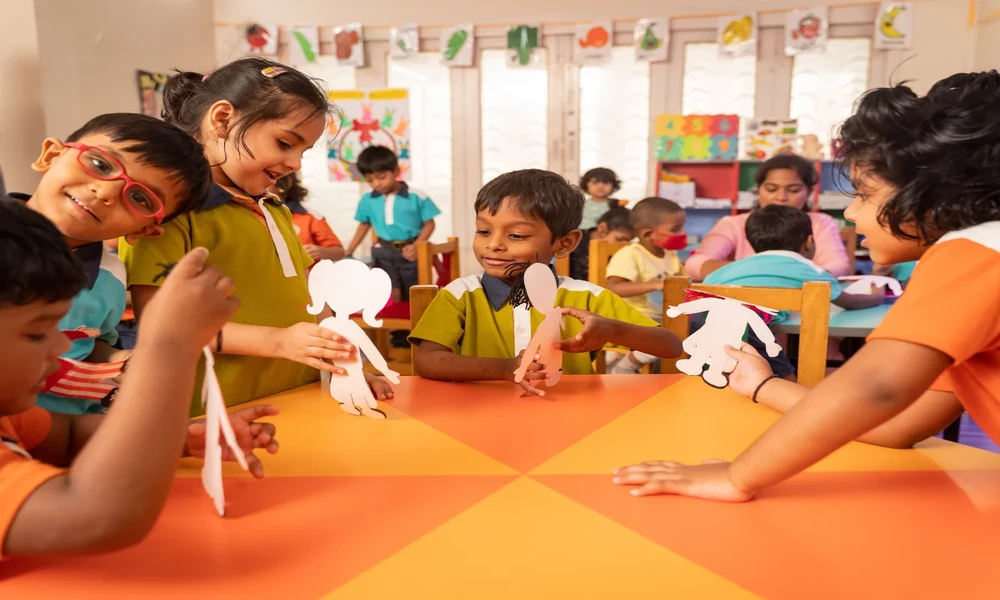
The preschool years, spanning roughly ages two and a half to six, are among the most developmentally significant in a child’s life. The learning environment, the pedagogical approach, and the quality of the adult relationships that a preschool provides shape the child’s foundational attitudes toward learning, social interaction, and self-confidence in ways that affect the entire subsequent educational journey. When evaluating a Montessori in Pune or other preschool option, parents should look beyond the marketing materials to:
- Teacher qualification and experience: the formal early childhood education qualification and the working experience of the class teacher, not just the school’s senior leadership, determines the quality of the day-to-day learning environment
- Child-to-teacher ratio: the number of children per adult in the classroom directly affects the individual attention, safety, and quality of adult-child interaction that each child receives
- Learning environment design: the physical arrangement of the classroom, the quality and range of learning materials available to children, and the access to outdoor play and exploration space reflect the school’s genuine commitment to developmentally appropriate early childhood practice
- Curriculum coherence with subsequent schooling: a preschool that shares a campus or institutional affiliation with the primary and secondary school the child will attend provides a more coherent transition experience than one that requires the child to change institution, teaching staff, and learning environment at the age of five or six
How do international schools in Pune differ from conventional CBSE schools?
International schools in Pune that offer frameworks such as the International Baccalaureate (IB), the Cambridge Assessment International Education (CAIE) pathway, or the Global Montessori Plus (GMP) curriculum differ from conventional CBSE schools primarily in the pedagogical approach rather than necessarily in the academic content of the curriculum. The key differences that parents notice in practice:
- Teaching methodology: international school frameworks tend to emphasise inquiry-based, project-based, and collaborative learning approaches alongside direct instruction, developing the research skills, critical thinking, and communication capability that the modern knowledge economy demands. Conventional CBSE delivery has historically been more direct instruction-oriented, though the National Curriculum Framework 2023 is moving CBSE practice in a more progressive direction
- Assessment approach: international frameworks typically use a combination of formative assessment, portfolio documentation, and summative testing rather than the terminal examination-heavy assessment model that CBSE has traditionally employed
- Extracurricular integration: the best good schools in pune cbse and international schools integrate extracurricular activities, sports, arts, and community service into the school programme as recognised components of the educational offer rather than additions to the core academic curriculum
What is the Montessori approach and how does it prepare children for CBSE?
The Montessori in Pune option is sought by parents who want the child-centred, independence-developing approach of Montessori education in the early years. The Montessori method, developed by Dr Maria Montessori and used in schools worldwide for over a century, organises the classroom around self-directed activity with carefully designed materials that allow children to explore concepts at the own pace and in the own sequence, within a prepared environment that the trained teacher curates and facilitates.
The concern that many parents raise is whether Montessori preparation is compatible with the structured academic demands of CBSE from Class 1 onwards. The evidence from schools that have successfully integrated Montessori early years with CBSE primary and secondary is consistently positive: children who have developed the self-direction, intrinsic motivation, and love of learning that quality Montessori education instils tend to adapt well to the structured environment of formal schooling and to bring learning habits that serve the option throughout the academic years.
How should parents evaluate international school options in Pune?
The evaluation of international schools in Pune requires going beyond the school’s name and marketing claims to the specifics of what the school actually delivers:
- Visit the school in session: observing actual classes, the behaviour and engagement of students, and the quality of teacher-student interaction is more informative than any amount of brochure reading
- Speak with current parents: the experience of families whose children are currently enrolled provides the most honest assessment of the school’s delivery, communication, and overall culture
- Assess the school’s approach to individual differences: how the school supports children who learn at different paces, who have different strengths, or who are experiencing learning challenges tells more about the school’s genuine values than the showcase students and achievements it presents
Many schools provide the complete journey from pre-primary through CBSE secondary education, combining the GMP curriculum in the early years with the CBSE board pathway.