

The dearth of easily available materials might make it appear like there are fewer opportunities for those with visual impairments to explore the world. By providing new methods to experience locations without the necessity for sight, a descriptive impaired e-book alters that. It enables users to mentally see landscapes, landmarks, and cultural settings through thorough audio descriptions. By bridging the gap between knowledge and imagination, these books increase the inclusivity of geography and travel. They provide an interesting, pleasurable learning experience while enabling users to engage with the environment regardless of their level of vision by transforming knowledge into a vivid mental picture.
Find below five ways in which the descriptive impairments e-book is a great way for visually impaired people to enhance accessibility.
Unlocking visual worlds through words
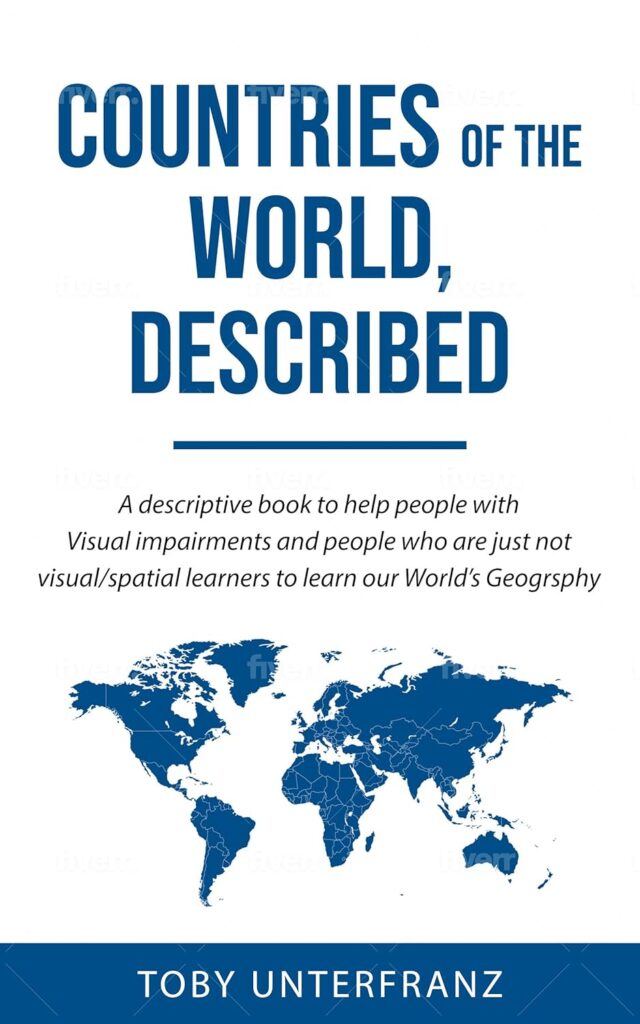
The capacity of a descriptive impairments e-book to create amazing images with just words is one of its best features. It describes cityscapes, landscapes, and cultural occasions using rich, precise language to create a mental experience. This e-book will be free 8/15-8/17, which will make it even simpler for more individuals to take advantage of this resource.
Connecting places with emotions
Frequently, these e-books go beyond simple factual explanations. They consist of the sounds, smells, and feelings associated with a place. A beach, for instance, can be characterized by the warmth of the sand, the sound of the waves, and the aroma of salt. The learning process is more memorable and intimate because of this emotional component.
Enhancing cultural understanding
These e-books describe cultural traits in addition to the physical environment. They may explain the music of a festival, the flavor of regional cuisine, or the vibe of traditional attire. This gives readers a deeper, more comprehensive understanding of life in a certain location and fosters a strong cultural bond.
Supporting independent learning
These e-books are accessible without the need for help thanks to their audio-friendly versions. Visually impaired people can take their time exploring the world’s scenery, pausing when necessary. This autonomy promotes self-directed learning and boosts self-esteem.
Expanding imagination and mental mapping
The brain creates “mental maps” of nations, boundaries, and landmarks when verbal descriptions are detailed. Readers gradually develop a sense of spatial awareness that enables them to comprehend the connections between various locations. This ability not only increases one’s understanding of geography but also piques one’s interest in learning more.
To conclude
Characteristic impairments E-books are portals to the world, not only resources. They provide visually impaired learners with the opportunity to travel with their minds, broaden their knowledge, and see locations they would never be able to visit in person by transforming information into vibrant, multisensory excursions.