

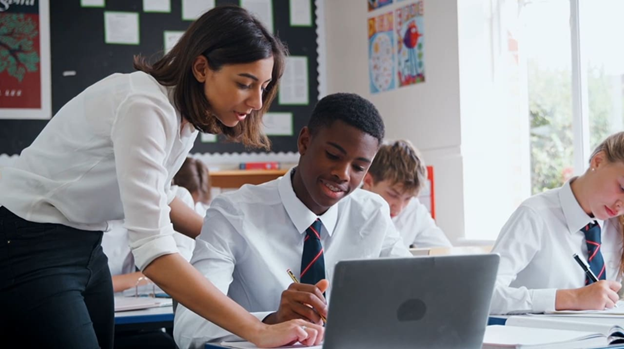
In today’s fast-paced world, students face an ever-growing array of challenges when it comes to learning. Academic pressures, technological distractions, and varying learning styles mean that traditional classroom instruction alone may not always be enough. To help students thrive, educators and parents are exploring a variety of effective learning solutions designed to support individual needs, foster engagement, and promote long-term success. From structured schooling environments to personalized tutoring and innovative digital tools, there are multiple pathways to empower students and enhance their educational experiences.
Private School: A Personalized Approach to Education
Private schools have long been recognized for their ability to provide focused, high-quality education tailored to the needs of individual students. A private school often offers smaller class sizes, allowing teachers to provide more personalized attention and identify students’ strengths and areas that require improvement. Beyond academics, these schools frequently emphasize extracurricular activities, leadership opportunities, and character development, giving students a well-rounded experience that can enhance both confidence and learning outcomes. By fostering a supportive environment, private schools help students develop the skills, discipline, and motivation necessary to succeed academically and socially.
Tutor: Individualized Support for Academic Growth
For students seeking additional help outside of the classroom, working with a tutor can make a significant difference. A tutor provides one-on-one attention that is specifically tailored to a student’s learning style, pace, and unique challenges. Tutors can focus on strengthening weak areas, reinforcing concepts taught in class, and building critical thinking and problem-solving skills. The personalized guidance offered by a tutor often results in improved understanding, higher grades, and greater confidence in learning. Moreover, tutors can offer strategies for better time management, study habits, and exam preparation, helping students become more independent learners.
Online Learning Platforms: Flexibility and Accessibility
In addition to traditional options, online learning platforms have transformed how students access education. These digital solutions offer a flexible learning environment where students can explore subjects at their own pace, access interactive lessons, and engage with a wide range of multimedia resources. Platforms often include adaptive learning technologies that adjust the content based on the student’s performance, ensuring that they are challenged appropriately while avoiding frustration. Online learning can also supplement classroom instruction, providing additional practice and enrichment opportunities for students who wish to deepen their understanding of particular subjects.
Learning Centers and After-School Programs: Holistic Development
Learning centers and after-school programs provide structured support that extends beyond the traditional classroom. These programs often focus on both academic and social development, offering activities that promote critical thinking, creativity, and collaboration. By participating in these programs, students can reinforce classroom lessons, engage in project-based learning, and develop soft skills that are essential for personal growth. Such environments create a safe space for students to explore new interests, receive guidance from skilled educators, and build strong peer relationships, all of which contribute to a more enriching learning experience.
Technology-Enhanced Solutions: Interactive and Engaging Tools
Modern education increasingly relies on technology to enhance student engagement and learning outcomes. Tools such as educational apps, gamified learning platforms, and virtual reality simulations provide interactive experiences that make complex concepts easier to understand. These solutions cater to various learning styles, allowing students to visualize abstract ideas, practice skills in a controlled environment, and track their progress in real time. Technology-enhanced learning not only supports academic achievement but also prepares students for a digital future by developing their technological literacy and problem-solving capabilities.
Conclusion
Empowering students requires a multi-faceted approach that recognizes their diverse needs and learning styles. From the structured environment of private schools to the personalized guidance of a tutor, and from online learning platforms to interactive technology, there are numerous solutions designed to support academic growth and personal development. By leveraging these tools effectively, educators and parents can create an environment where students feel confident, motivated, and capable of reaching their full potential. In the end, the most effective learning solutions are those that combine personalized attention, engaging resources, and holistic development to foster lifelong learners prepared for the challenges of the future.